Marketing Funnels: Mistakes That Quietly Kill Conversions
SearchBlueprint · · 12 min read · scored 92/100
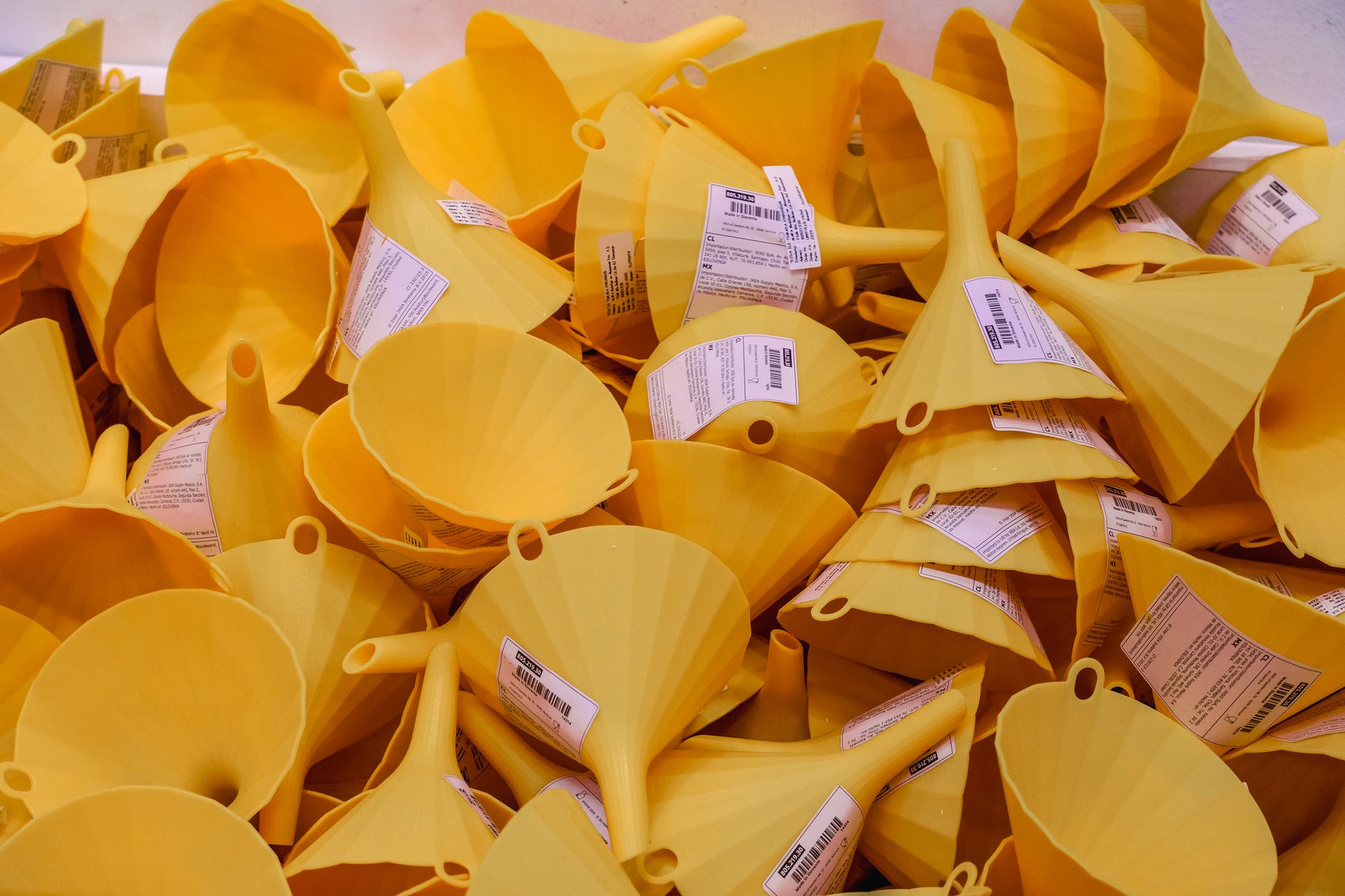
A marketing funnel is the path a stranger takes from first hearing about your business to becoming a paying, repeat customer, moving through awareness, consideration, conversion and loyalty. Most companies already have one. The problem isn't that marketing funnels don't exist. It's that nobody has measured where people quietly drop out of them.
What Is a Marketing Funnel?
A marketing funnel is a model of the customer journey, shaped like an inverted cone. A large group of people enter at the top and only a fraction reach the bottom. Every stage narrows the group further: from people who've merely heard of you, down to people who've bought from you and would buy again.
The idea isn't new. It's built on a concept that's over 100 years old, originally framed as the AIDA model, Awareness, Interest, Desire, Action. Modern funnels stretch that into more stages, but the logic hasn't changed. Move people from not knowing you exist to trusting you enough to pay.
Where teams get tangled is treating "marketing funnel," "sales funnel" and "content marketing funnel" as the same thing. They're related, but each has a different owner and a different job.
Marketing Funnel vs. Sales Funnel vs. Content Marketing Funnel
| Funnel type | Scope | Primary owner | Goal | Example output |
|---|---|---|---|---|
| Marketing funnel | Entire journey, awareness through loyalty | Marketing | Build awareness and nurture leads into buyers | Ad campaigns, SEO content, email sequences |
| Sales funnel | Bottom stages only, from qualified lead to close | Sales | Convert a sales-qualified lead into a paying customer | Demos, consultations, closing offers |
| Content marketing funnel | Content mapped across all stages | Marketing/content | Support every stage with the right piece of content | Blog posts, comparison guides, case studies |
The sales funnel is really a subset of the marketing funnel, the last stretch. That's where marketing hands off a warm lead and sales closes it. If your marketing and sales teams keep disagreeing about lead quality, it's usually because they're describing two different funnels using the same word.

The Stages of a Marketing Funnel

There's no single, universally agreed version of the marketing funnel. Some models use three stages, others six. For most businesses, four practical stages cover it: awareness, consideration, conversion and loyalty. Each one needs a different message. A stranger who's never heard of you and a returning customer are not the same audience.
Awareness (Top of the Funnel)
At the top, the goal is simple: get in front of people who don't know you yet. This is where SEO-driven content, social posts, paid ads and PR do their work. Nobody at this stage is ready to buy. They're just starting to notice a problem or a category exists.
This stage matters more than most funnels give it credit for. Industry research from Amazon Ads puts the figure at 84% of shoppers beginning their online product searches on channels that aren't a brand's own website. Think search engines, marketplaces, social platforms. If your visibility stops at your homepage, you're invisible for most of that research. Building durable organic visibility at this stage is worth understanding in more depth. See how organic website traffic actually compounds over time rather than spiking and fading with a campaign.
Consideration (Middle of the Funnel)
Once someone knows you exist, they start comparing you against alternatives. This is where you explain what makes you different, not just that you exist. Comparison guides, case studies, testimonials and webinars all live here.
It helps to be honest about a number that gets ignored. Only about 5% of potential buyers are actively "in-market" for a purchase at any given moment. That's according to industry estimates cited by Reddit's own advertising research. The other 95% aren't ready yet. They're browsing, researching, filing you away for later. Consideration-stage content exists to make sure you're the one they remember when they finally are ready.
Conversion (Bottom of the Funnel)
This is where a prospect decides to buy. A detailed product or service page, transparent pricing, a clear guarantee and a low-friction checkout or booking process all reduce the last bit of hesitation. Conversion is also the easiest stage to measure, since you can usually trace which click led directly to a sale. But that click was only possible because of everything that happened upstream.
Still fuzzy on what actually happens between someone landing on a page and becoming a customer? It's worth reading a full breakdown of the lead generation process from first click to paying customer. It's the mechanical version of what a funnel describes conceptually.
Loyalty (Retention and Advocacy)
The funnel doesn't end at the sale. Acquiring a new customer typically costs several times more than keeping an existing one. That ratio is commonly cited at around five times, per Amazon Ads' guidance. That's exactly why the loyalty stage deserves its own budget and content, not leftovers. Email nurture sequences, loyalty programs and simply delivering a good product keep a one-time buyer coming back.
| Stage | Buyer becomes | Primary goal | Typical tactics |
|---|---|---|---|
| Awareness (TOFU) | Visitor | Get noticed by the right audience | SEO content, social ads, PR, influencer partnerships |
| Consideration (MOFU) | Lead | Build trust and differentiate from competitors | Comparison guides, case studies, webinars, demos |
| Conversion (BOFU) | Customer | Remove the last hesitation to buy | Pricing pages, guarantees, free trials, retargeting |
| Loyalty | Repeat customer / advocate | Maximize lifetime value and referrals | Email nurture, loyalty programs, onboarding, upsells |
Common Misconceptions About Marketing Funnels
A few assumptions about marketing funnels cause more wasted spend than the funnel concept itself ever fixes.
"Customers move through it in a straight line." They don't. A shopper can discover you through a search, leave, and come back through a retargeting ad. They might compare you against a competitor and buy two weeks later through a completely different channel. The funnel is a useful simplification, not a literal map of behavior. Treat it as a framework for coverage, not a script everyone follows in order.
"More traffic at the top automatically means more sales at the bottom." Only if the traffic and the messaging match. Pouring generic traffic into a funnel with no consideration-stage content built to convert it is how campaigns spike and then flatten. There's a plan for digital campaigns built around organic growth rather than short-term spikes. It tends to outperform a funnel that only works while ad spend is switched on.
"The funnel is done once someone buys." As covered above, the loyalty stage is where repeat revenue and referrals come from. Treating purchase as the finish line leaves money on the table.
"One funnel fits every customer." It doesn't, particularly not across B2B and B2C audiences, which behave differently enough to need separate structures entirely.

B2B vs. B2C Marketing Funnels

Business buyers and individual consumers move through a funnel differently enough that copying one design onto both audiences usually backfires.
| Factor | B2B marketing funnel | B2C marketing funnel |
|---|---|---|
| Sales cycle length | Longer, often weeks to months | Shorter, sometimes a single session |
| Decision-makers | Multiple stakeholders, larger budgets | Usually one person, sometimes with friends/family input |
| Content style | Whitepapers, demos, consultations, ROI cases | Social proof, limited-time offers, emotional appeal |
| Sales team role | Hands-on, especially near the bottom of the funnel | Minimal to none, self-serve checkout is common |
| Primary channels | LinkedIn, email, webinars, direct outreach | Social ads, marketplaces, influencer content |
If you sell to businesses, expect your funnel to include a distinction between a marketing-qualified lead and a sales-qualified lead. A sales rep should step in well before the close. If you sell to consumers, your funnel should prioritize speed and emotional clarity over lengthy justification. Most B2C buyers won't read a whitepaper before checking out.
How to Build a Marketing Funnel That Actually Converts
Building a marketing funnel isn't about drawing four boxes on a whiteboard. It's about matching real content and real tracking to each stage, then watching where people fall out.
Map the Buyer Journey Honestly
Start by writing down the actual questions a prospect asks at each stage, in their own words, not your marketing language. What do they search before they've heard of you? What do they compare you against? What makes them hesitate right before paying? If you can't answer these with evidence, that's the first gap to close. Not with guesses, but with real customer conversations and search data.
Match Content to Each Stage
Every stage needs its own content, not a repurposed version of the same blog post. A plain-English content strategy gives you a system for deciding what to publish for awareness versus consideration versus conversion. That beats producing content that sounds good but doesn't move anyone forward. Content is also how you nurture leads without resorting to cold outreach. Converting leads through content instead of cold calls is a workable alternative for teams that don't have (or don't want) a large outbound sales function.
Score and Route Leads
Not every lead deserves the same follow-up. Lead scoring ranks prospects by demographic fit (role, company size, industry) and behavior (repeat visits, email opens, content downloads). It tells you who's worth a sales rep's time now versus who needs more nurturing first. Skipping this step is how sales teams end up chasing leads who were never close to buying. Meanwhile, genuinely ready buyers wait in a generic email queue.
Align Marketing and Sales on the Handoff
The single most common funnel failure isn't a missing stage. It's the handoff between marketing and sales. If marketing calls a lead "qualified" the moment someone downloads a guide, and sales expects a lead who's already discussed budget, both teams will be frustrated. Leads will stall in the gap between them. Agree on a shared definition of a sales-ready lead before you build out the rest of the funnel around it.
How SEO and Content Fill the Top of the Funnel
Paid ads can fill a marketing funnel fast, but the cost disappears the moment you stop paying. Organic search and content build a funnel that keeps working after the campaign ends. That's why most durable funnels lean on it heavily at the awareness stage.
This isn't theoretical. SearchBlueprint's own 347% traffic growth case study, built entirely on dogfooding its own SEO tool is a direct example. It shows organic content filling the top of a funnel without ad spend scaling alongside it. The full case study covering that audit walks through what was actually fixed to get there.
The mechanism is straightforward. Content built around what your prospects search for (not what you want to say about yourself) shows up when they're researching. That happens at exactly the stage a marketing funnel calls "awareness" or "consideration." A well-optimized blog post can outperform an ad campaign in a marketing funnel. That's simply because it keeps ranking and keeps attracting the same audience for months without a fresh budget.
Digital adoption keeps expanding this opportunity rather than shrinking it. IMDA's ongoing tracking of digital adoption among businesses shows the shift toward customers researching and comparing options online before ever speaking to a salesperson. That isn't slowing down. That makes a well-built content funnel a compounding asset rather than a one-off campaign.
Measuring and Fixing Funnel Leaks
A marketing funnel without measurement is just a diagram. The value comes from tracking where people actually drop off between stages, then fixing that specific leak instead of guessing.
Different stages need different metrics. Judging your whole funnel by one number (usually final conversion rate) hides where the real problem lives.
| Funnel stage | What to measure | Why it matters |
|---|---|---|
| TOFU (Awareness) | Unique reach, click-through rate, organic traffic growth | Tells you whether you're getting in front of the right audience at all |
| MOFU (Consideration) | Content engagement, return visits, branded search volume | Signals rising purchase intent before anyone fills out a form |
| BOFU (Conversion) | Conversion rate, cost per acquisition, average order value | Measures whether the offer and page actually close the sale |
| Post-purchase (Loyalty) | Repeat purchase rate, customer lifetime value, referral rate | Shows whether the funnel keeps paying after the first sale |
Two tools make this measurable instead of anecdotal. A conversion rate calculator tells you exactly how a change at any stage moves your bottom-line numbers. That beats relying on a gut feeling that "it seems better." And a UTM builder makes sure you actually know which channel, campaign or piece of content brought someone into the funnel in the first place. Without consistent tagging, you're optimizing a funnel you can't actually attribute.
A broader industry pattern backs up why this measurement work is worth doing. A widely cited Nielsen meta-analysis found that full-funnel strategies achieve roughly 45% higher ROI. They also drive a 7% increase in offline sales compared to campaigns that focus on a single stage alone. Yet in a recent industry survey, only 28% of marketers called their funnel strategies "very successful", a gap that usually traces back to measuring the wrong things, or not measuring the stages in between awareness and the final sale at all.
Want more on turning funnel data into an actual growth plan rather than a report nobody reads? SearchBlueprint's blog covers the tactical side of lead generation, content and organic growth in more depth than any single article can.
FAQs
What are the four main stages of a marketing funnel?
Most practical marketing funnels use four stages. They are awareness (getting noticed), consideration (building trust and comparing options), conversion (the purchase decision) and loyalty (repeat business and referrals). Some models split these into six or more. But the underlying logic, narrowing a broad audience down to paying, repeat customers, stays the same.
What's the difference between a marketing funnel and a sales funnel?
A marketing funnel covers the entire journey from first awareness to loyalty and is owned by marketing. A sales funnel is the narrower, bottom portion, from a qualified lead to a closed deal, and is owned by sales. The sales funnel is essentially a subset of the marketing funnel focused on the final stretch.
How long should a marketing funnel be?
It depends on what you sell. B2B funnels are typically longer, often stretching weeks or months across multiple decision-makers. B2C funnels are usually shorter, sometimes completing in a single browsing session. That's because the buyer is one person making an emotional, lower-stakes decision.
Can a small business run a marketing funnel without a big budget?
Yes. Organic search and content are the most budget-friendly way to fill the top of a marketing funnel. A page keeps attracting visitors long after it's published, unlike an ad that stops the moment spend stops. The tradeoff is time: content-driven funnels take longer to build momentum than paid campaigns, but they cost less to sustain.
How do I know if my marketing funnel is actually working?
Track drop-off between stages, not just the final conversion rate. If traffic is healthy but consideration-stage engagement is weak, the problem is your messaging, not your reach. If engagement is strong but conversions are low, the problem sits at the offer or the checkout, not the top of the funnel. Measuring each stage separately is the only way to know which part to fix.
See Where Your Own Funnel Is Leaking
Most marketing funnels aren't broken everywhere. They're leaking at one specific stage that nobody has isolated yet. Before you rebuild content or rework campaigns, it's worth seeing what an audit actually surfaces on a real site. Talk to the team and look at a sample SEO report to see what a properly measured marketing funnel looks like in practice.
Sources
About the author
SearchBlueprint researched, wrote and scored this article with the content pipeline our customers run on their own sites. The score in the byline is what our content engine gave this page before it published. Nothing here is reviewed by hand, which is the point: it is the product's output, published where anyone can check it.