SEO Tools for Beginners: What to Install First
SearchBlueprint · · 13 min read · scored 95/100
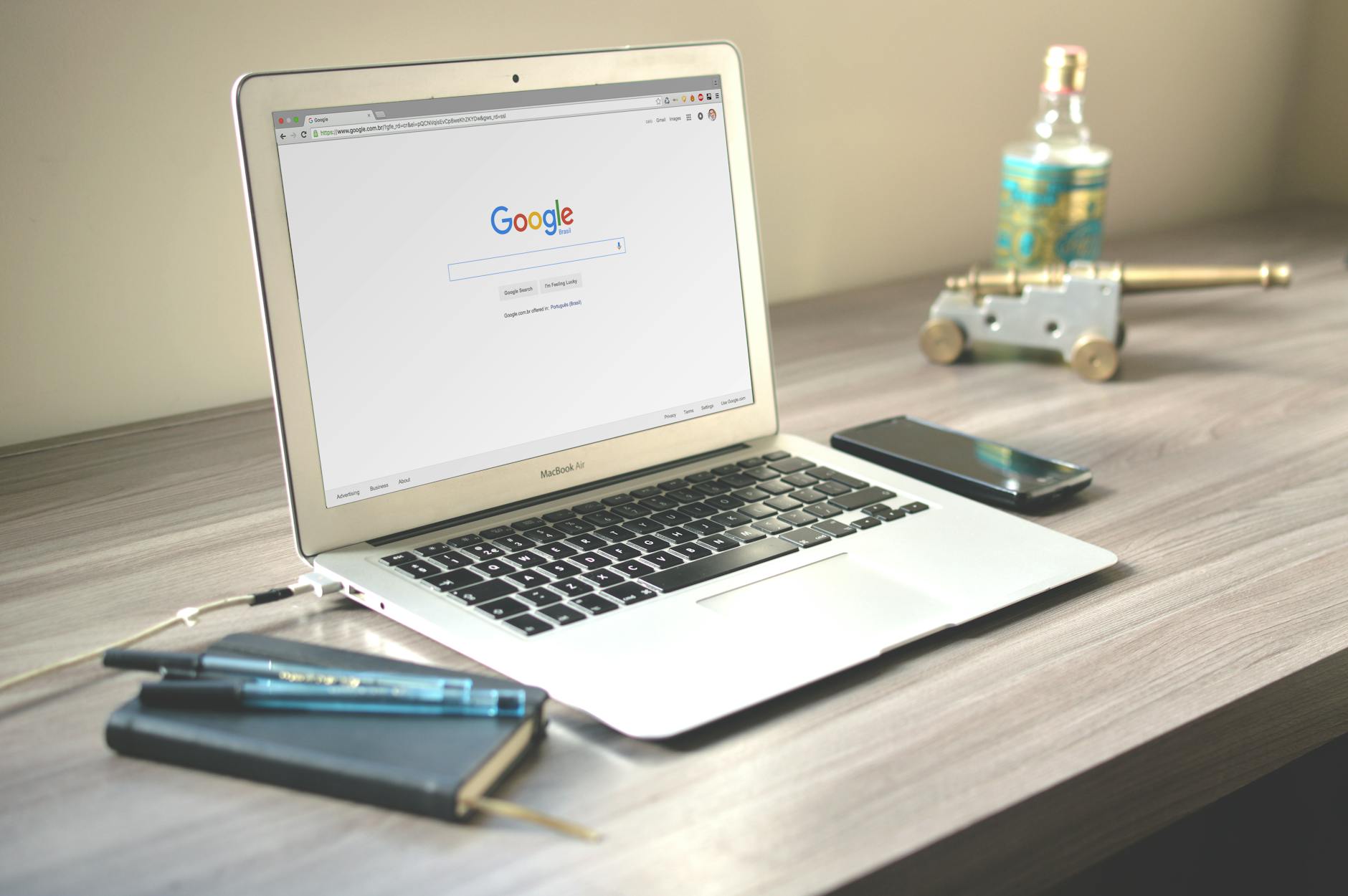
The best SEO tools for beginners are the ones that answer one question well. Google Search Console shows how you already rank, a free keyword tool shows what to write next. An on-page checker confirms a page is set up correctly before you publish it. Everything else can wait until those three are actually in use.
That sounds simple because it is. Most guides to SEO software list twenty or thirty tools and let you sort out the order yourself. This one does not. It walks through what each category of tool actually does and which ones cost nothing. It covers what the paid options charge once you outgrow free. And it covers the order to add them in, so you are never paying for data you cannot yet act on.
What Actually Counts as an SEO Tool for Beginners
"SEO tool" gets used for almost any piece of software that touches a website. That is unhelpful when you are trying to build a first toolkit. It helps to split them into five jobs, because each job answers a different question.
| Category | Question it answers | Free option to start with |
|---|---|---|
| Rank and index tracking | Where do I already rank, and is Google indexing my pages? | Google Search Console |
| Keyword research | What are people actually typing into search? | Keyword Checker |
| On-page checks | Is this specific page set up correctly? | On-Page SEO Scorer |
| Technical health | Can search engines crawl and load my site without problems? | Google PageSpeed Insights |
| Competitor and content | What is working for the sites already ranking above me? | Competitor Analysis tool |
Notice that four of the five starting points cost nothing. That is the case for almost every category on this list. Paid platforms bundle these jobs into one dashboard and add automation. But none of them invent a category that free tools do not already cover in some form.

The Free Toolkit Every Beginner Should Start With
You do not need a credit card to start doing real SEO work. A handful of free tools, used consistently, will teach you more than a paid suite you open twice and abandon.
Google's own tools come first
Google Search Console is free, and it is the only tool that shows you first-party ranking data straight from Google. It reports the exact keywords a page ranks for, how many people saw it in search results, and how many clicked. According to Google's own Search Essentials, following its technical and content guidelines is what makes a site eligible to appear in results. Search Console is where you check whether you are meeting them. The one limitation is that it only shows data for sites you own, so you cannot use it to check a competitor.
Google PageSpeed Insights is the second free must-have. It scores a page from 0 to 100 for both mobile and desktop, then lists the specific problems slowing it down. Mobile speed carries extra weight for ranking, so check that score first if you only have time for one.
Beyond Google: the free tools worth bookmarking
Once Search Console and PageSpeed are running, a small set of purpose-built free tools cover the gaps. A free on-page meta checker will scan a page's title tag and headings in seconds and flag anything missing or too long. That matters because a broken title tag is one of the most common reasons a page underperforms its ranking. A full library of these no-cost options is rounded up in this guide to the best free SEO tools of 2026. It includes 25 picks that genuinely work.
If you run WordPress, add a free SEO plugin like Yoast or Rank Math. Both let you set a title tag, meta description, and focus keyword from inside the post editor. Both give color-coded feedback on what is missing. Setup takes a few minutes and needs no code.

Keyword Research Tools for Beginners
Keyword research is the one category where guessing wrong costs you the most time. You might spend hours writing a page nobody searches for. A keyword tool exists to stop that before you start typing.
Finding keywords without guessing
Start by typing a broad topic into a free keyword suggestions tool to see the long-tail phrases people search around it. Google's own Keyword Planner is a solid free companion here: it shows estimated search volumes and ad cost. Volumes come back as broad ranges like "1,000 to 10,000 monthly searches" rather than an exact figure. That is because it is built for advertisers first.
Typing a seed word into Google's search box and watching what autocomplete suggests is a free way to spot real search patterns. Do this before you commit a keyword tool's quota to it.
Checking whether a keyword is worth targeting
Volume alone tells you very little. A free keyword checker that reports volume, difficulty, and intent together gives you a faster answer. Is this phrase searched enough to matter, and is it realistic for a new site to rank for it? A keyword intent checker adds a layer most beginners skip. It tells you whether someone typing a phrase wants to buy, compare, or just learn. That decides whether the keyword belongs on a product page or a blog post.
Grouping keywords into pages, not lists
Once you have thirty or forty keyword ideas, the next mistake is writing one page per keyword. Search engines already understand that "seo tools" and "seo software" mean nearly the same thing. So two thin pages targeting each one will compete with each other instead of ranking. A free keyword clustering tool groups similar phrases into one topic. That way, you end up with a handful of comprehensive pages instead of a pile of overlapping ones.

On-Page SEO Tools: Fixing Pages Before They Publish

On-page tools check the parts of a page you control directly: the title tag, headings, keyword placement, and internal links. This is the fastest category to get right because the fixes are usually a five-minute edit, not a redesign.
Run a new page through a free on-page SEO scorer before you hit publish, not after. It checks whether your target keyword actually appears in the title, the first paragraph, and at least one subheading. It also flags a missing image alt text or a title tag that runs too long to display fully in search results. Catching these before publishing avoids a second round of edits once the page is already indexed.
A separate meta tag checker is worth running site-wide every few months. Titles and meta descriptions have a habit of drifting out of date as a business changes its offers or pricing. A page with a stale meta description will still rank. But it is less likely to earn the click once it shows up in results.
If you are on WordPress, your SEO plugin does a version of this check automatically inside the editor as you write. That is why pairing a plugin with an occasional full-site scan covers both the day-to-day and the periodic audit.
Technical and Site Health Checks
Technical SEO sounds intimidating, but for a beginner it comes down to three questions. Can search engines find your pages, can they load them quickly, and is anything broken? Google PageSpeed Insights answers the loading question, as covered above. For crawlability, a tool like Screaming Frog's SEO Spider will crawl your site the way a search engine does. It lists broken links, missing pages, and duplicate titles. The free version covers up to 500 URLs, which is enough for most new sites, before unlimited crawling becomes worth paying for.
Core Web Vitals, the specific performance metrics behind Google's speed scoring, are documented in detail on web.dev. It includes the exact thresholds a page needs to hit to be scored as "good" rather than "needs improvement." You do not need to memorize these numbers. You need to know they exist and that PageSpeed Insights is already measuring your site against them.
Most beginners can skip a standalone technical audit tool entirely in month one. PageSpeed Insights plus an occasional full crawl catches the issues that actually move rankings for a small site.
Rank Tracking: Knowing If Any of This Is Working
Rank tracking is the feedback loop. Without it, you are publishing content and making fixes with no way to tell whether it changed your position in search results.
A free Google rank checker will tell you where a specific keyword sits today for your domain. That is the right starting point before you commit to a paid tracker that checks positions daily. Search Console gives you the same information for every keyword you rank for, in the "Average position" column of its performance report. So between the two, you can track progress without spending anything for the first few months.
One number worth watching closely inside Search Console is click-through rate. One widely cited estimate puts the average click-through rate for a page ranking first in results at roughly 19-28%. A page can rank on page one but still see a click-through rate well below that. When that happens, the problem is usually the title tag or meta description, not the ranking itself. That single comparison, ranking position against click-through rate, is one of the higher-value habits a beginner can build with free data alone.
Paid rank trackers earn their cost once you are tracking dozens of keywords across multiple markets. That is when you want daily automatic updates instead of manual weekly checks.
Competitor Research Tools
Every page that already ranks above you is a source of free research. A free SEO competitor analysis tool will show you which organic keywords a rival domain ranks for. That way, you can see what topics they cover that you have not touched yet.
The goal is not to copy a competitor's page. It is to find the gap: a question they answer well that you could answer better, or a subtopic they skip entirely. Beginners who only look inward, checking their own site with no reference point, tend to guess at what "good" looks like. A quick competitor scan replaces that guess with an actual benchmark.
This category is also where a beginner's instinct to go straight to a paid, enterprise-grade platform can backfire. Full backlink and traffic-estimation suites are genuinely useful. But a beginner rarely needs backlink data before they need to know which keywords a competitor's top three pages already rank for. Start with the free comparison, and add a deeper backlink tool later if link building becomes part of the strategy.
Free SEO Tools vs. Paid Platforms: When to Upgrade
This is the question that actually matters more than which specific tool to buy. Free tools cover the fundamentals. Paid platforms add automation, deeper data, and the ability to manage everything from one dashboard instead of six browser tabs.
| Tool type | Typical starting price | What you gain over free | Best fit |
|---|---|---|---|
| Google's free stack (Search Console, Keyword Planner, PageSpeed) | $0 | First-party data, no substitute exists | Every beginner, on day one |
| Single-purpose paid tool (e.g. a keyword or question-research tool) | Around $12-$30/month | Deeper data in one narrow category | Once you have outgrown a specific free tool's limits |
| WordPress SEO plugin, paid tier | Roughly $50-$100/year | Extra automation, link suggestions, redirect management | Sites publishing regularly on WordPress |
| All-in-one paid platform | Roughly $70-$120/month | Rank tracking, keyword research, technical audits, and content scoring in one login | Sites publishing weekly, or managing more than one property |
| Enterprise-grade suite | $250+/month, often billed annually | Full backlink index, large-team seat management, deep competitor data | Agencies and larger in-house teams |
A useful way to read that table: none of the paid tiers replace what Google gives you for free. They save you the time of stitching several free tools together. And they add automation Google's own tools do not offer, like AI-assisted content briefs or one-click technical fixes. If your budget is genuinely zero, a detailed comparison of free versus paid SEO tools can help. It walks through exactly where the free tier stops being enough for a specific job.
The manual-versus-automated question follows the same logic. Running five free tools manually costs nothing but your time. For a single site publishing a few pages a month, that time cost is manageable. Once you are managing several sites, or publishing daily, the hours spent switching between tools add up. That starts to cost more than a platform subscription would.
Common Mistakes Beginners Make With SEO Tools
Most of the damage done by SEO tools for beginners is not from using the wrong one. It is from misusing a perfectly good one.
- Chasing volume over intent. A keyword with high search volume but the wrong intent will rank poorly, no matter how well the page is written. An example is an informational phrase used on a page meant to sell.
- Buying an all-in-one platform in week one. Most of its features go unused until you have enough content and traffic for the data to mean anything.
- Checking rank daily and reacting to normal noise. Search rankings move day to day even with no changes on your end. Weekly checks give a truer picture.
- Never acting on Search Console's own suggestions. The "Pages" and "Queries" reports quietly show which keywords a page already gets impressions for but has never optimized around. That is often the fastest win available.
- Treating every tool's score as gospel. An on-page score of 100 does not guarantee a ranking. It confirms the basics are covered, nothing more.
Building Your First 30-Day SEO Toolkit
Order matters more than most guides admit. Adding tools in the wrong sequence means paying for data before you have anything to act on with it.
| Week | Focus | Tool to add |
|---|---|---|
| Week 1 | Confirm Google can find and index your site | Google Search Console, Google PageSpeed Insights |
| Week 2 | Find what to write about | A free keyword checker and keyword suggestions tool |
| Week 3 | Check pages before publishing | A free on-page scorer and meta tag checker |
| Week 4 | Learn from what already ranks | A free competitor analysis tool, then a rank checker to track movement |
By the end of that month, you have covered every category in the first table on this page, and spent nothing. You have also built the habit of checking data before publishing rather than after. That habit matters more than any single tool on this list.
FAQs
Do I need to pay for an SEO tool as a beginner?
No. Google Search Console, Google PageSpeed Insights, and a WordPress SEO plugin like Yoast or Rank Math cover the fundamentals for free. Paid tools add automation and convenience, not a capability that is otherwise unavailable.
What's the very first SEO tool I should set up?
Google Search Console. It is free, it comes straight from Google, and it is the only way to see which keywords your pages rank for. And it shows how often people click on them.
How long before SEO tools show results?
Search Console's own data typically takes a day or two to fully update. Beyond that, most SEO changes take several weeks to show up in rankings. Give any fix at least a month before judging whether it worked.
Which free SEO plugin should I use if I'm on WordPress?
Yoast and Rank Math are the two most common choices, and both work similarly. You set a focus keyword. The plugin then checks your title, meta description, and content against it, with color-coded feedback inside the editor.
Are backlink tools necessary for beginners?
Not at first. Keyword research, on-page checks, and rank tracking deliver more immediate value in the first few months than backlink analysis. Backlink analysis matters more once you are actively building links or competing in a crowded niche.
Check Your Own Setup Before You Buy Anything
Before adding a single paid tool to your list, run your site through the free checks above and see what they reveal. Most beginners discover their first real fix, a missing meta description or a page that never got indexed, in that first pass. If you want an opinion on what those results mean for your site, talk to the team behind a sample SEO report. They can also help you see where SEO tools for beginners should take you next, and what a fuller audit would surface.
Resources / References
Sources
About the author
SearchBlueprint researched, wrote and scored this article with the content pipeline our customers run on their own sites. The score in the byline is what our content engine gave this page before it published. Nothing here is reviewed by hand, which is the point: it is the product's output, published where anyone can check it.