9 Best SEO Blogs to Follow in 2026 (Free and Paid)
By Toy Wen Da, Co-Founder · Updated · 8 min read · scored 93/100
The best SEO blogs to follow in 2026 depend on what you need right now. Google Search Central Blog is the top pick for official ranking announcements straight from Google, and Ahrefs Blog is the better alternative if you want data-backed tactics with free tools attached. Every blog on this list is free to read.

How we chose these SEO blogs
This comparison is built from each site's own blog, about and pricing pages. It involved no hands-on testing of their tools and no scored review process. Four criteria shaped the picks:
- Update frequency: does the blog publish often enough to keep up with algorithm changes?
- Depth and actionability: are posts generic advice, or do they include real examples and steps?
- Authority of the source: is it the search engine itself, an established SEO tool vendor or an independent publication?
- Cost to access: free blogs are the default, and we noted where content sits behind a paid tool or newsletter.
What we didn't score
We didn't rank these blogs by traffic, subscriber counts or user ratings, because we haven't independently verified that data. Where a vendor states a figure on its own site, such as Yoast citing 4.8 out of 5 stars across more than 27,000 reviews for its WordPress plugin, the number is the vendor's claim and we haven't measured it ourselves.
The 9 best SEO blogs, ranked by use case
1. Google Search Central Blog: best for official ranking updates
This is Google's own blog for Search, covering algorithm updates, structured data changes and indexing guidance directly from the Google Search Central team. It is the most authoritative source for what Google is actually changing, as opposed to speculation from third parties.
Starting price: free, and the entire blog is open access.
Pick it if you want announcements straight from the source with no interpretation layer. Skip it if you want practical how-to tutorials, since the blog explains what changed but doesn't always say how to react.
2. Ahrefs Blog: best for data-backed SEO tactics
Ahrefs publishes long-form, example-heavy posts on keyword research, backlinks and technical SEO, often built around data pulled from its own tool, and they tend to be practical and specific rather than theoretical.
Starting price: the blog is free, and the Ahrefs tool has its own pricing page. Limited free tools exist, but the core platform is paid.
Pick it if you want case-study-style breakdowns with real numbers. Skip it if you're wary of posts that frequently loop back to promoting Ahrefs' own software.
3. Semrush Blog: best for broad keyword and competitive research content
Semrush Blog covers SEO alongside content marketing, PPC and competitive analysis, which mirrors the breadth of its all-in-one platform. It's a good fit if you want SEO content that connects to wider marketing strategy.
Starting price: the blog is free, and the Semrush platform has its own pricing page. The tool has a limited free tier.
Pick it if you want SEO content tied into a broader marketing toolkit. Skip it if you only care about SEO and don't want marketing-adjacent topics mixed in.
4. Moz Blog: best for SEO fundamentals and beginners
Moz runs one of the longest-running SEO blogs online. Its archive is strong on beginner-friendly explainers, and guest contributors add more advanced posts, so it's a reliable place to learn core concepts without heavy jargon.
Starting price: the blog is free, and Moz Pro has its own pricing page. Some free tools are available too.
Pick it if you're newer to SEO and want foundational concepts explained clearly. Skip it if you already know the basics and want only advanced content.
5. Search Engine Land: best for daily SEO news
Search Engine Land publishes frequent news coverage on algorithm updates, industry shifts and platform changes, often on the same day. It works more like a trade publication than a single company's content marketing arm.
Starting price: free, and fully open access.
Pick it if you want to stay current on SEO news without checking multiple sources. Skip it if you want deep tutorials rather than news-style coverage.
6. Search Engine Journal: best for wide topic coverage
Search Engine Journal covers SEO, PPC, content marketing and social media with a large pool of contributing writers, so you get many perspectives and specialties, though depth varies by author.
Starting price: free.
Pick it if you want variety and don't mind inconsistent depth across posts. Skip it if you prefer a single, consistent editorial voice.
7. Yoast SEO Blog: best for WordPress site owners
Yoast's blog is built around supporting its WordPress plugin. It carries evergreen guides such as Joost de Valk's WordPress SEO definitive guide and Marieke van de Rakt's site structure guide, plus regular posts on writing SEO-friendly content for the AI era. Yoast's own site reports that the plugin is rated 4.8 out of 5 stars by more than 27,000 users.
Starting price: the blog is free, Yoast SEO Premium has its own pricing page, and the free plugin costs nothing.
Pick it if you run WordPress and want guidance tied to the plugin you're likely already using. For the broader toolset beyond one plugin, this roundup of free SEO tools for WordPress covers more ground. Skip it if you're not on WordPress, because much of the practical advice assumes you are.
8. Backlinko: best for actionable, tactic-focused posts
Backlinko is known for fewer, longer posts that walk through specific tactics step by step instead of frequent short updates. It leans toward link building and on-page optimization.
Starting price: free.
Pick it if you want a small number of deeply detailed guides rather than a high-volume feed. Skip it if you want frequent, timely posts, since publishing here is slower than at news-style blogs.
9. HubSpot Marketing Blog: best for marketers who need SEO in context
HubSpot's blog treats SEO as one piece of a larger inbound marketing strategy, alongside content, email and CRM-adjacent topics. It suits you if your role spans more than search.
Starting price: free.
Pick it if you want SEO advice connected to broader marketing operations. Skip it if you want SEO-only content without the wider marketing lens.
Comparison table
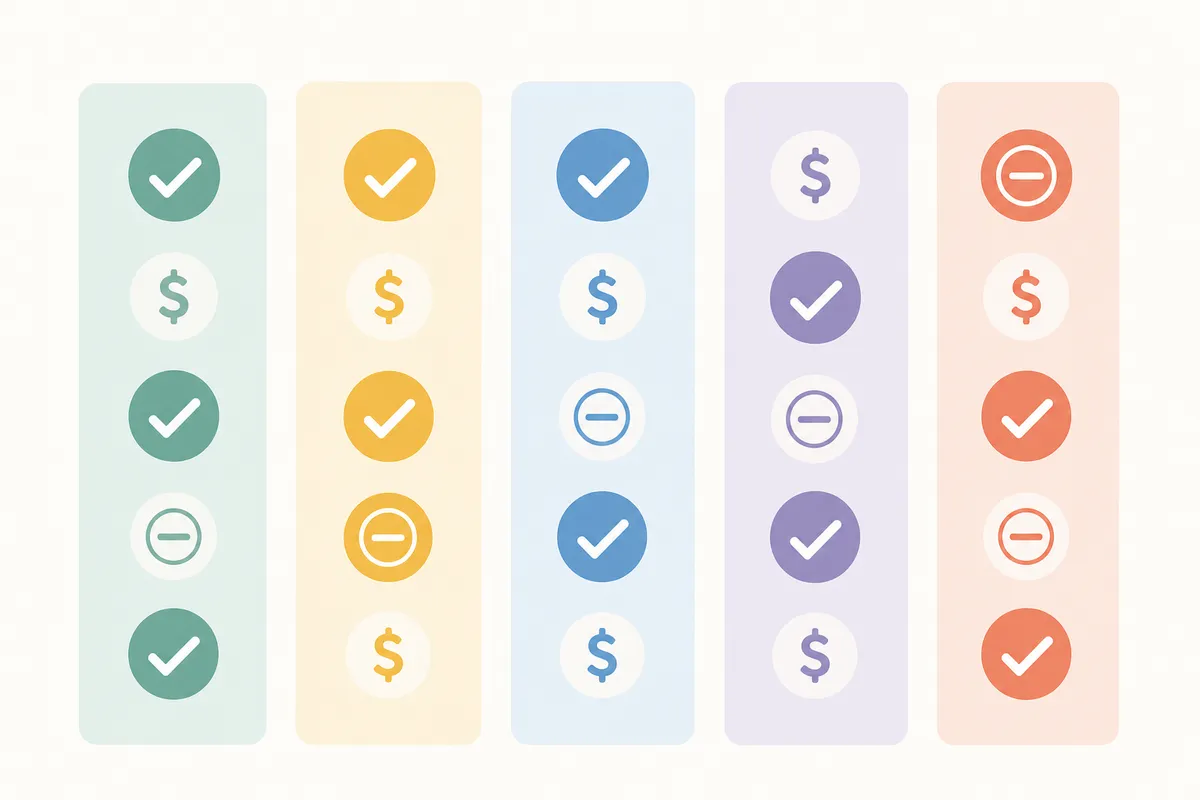
| Blog | Best For | Free Plan | Starting Price | Main Limit |
|---|---|---|---|---|
| Google Search Central Blog | Official ranking updates | Yes | Free | Policy-focused, not tutorial-style |
| Ahrefs Blog | Data-backed tactics | Yes (blog) | See their pricing page (tool) | Often promotes Ahrefs' own tool |
| Semrush Blog | Broad marketing + SEO | Yes (blog) | See their pricing page (tool) | Mixes in non-SEO topics |
| Moz Blog | Beginners and fundamentals | Yes (blog + some tools) | See their pricing page (Moz Pro) | Less bleeding-edge for experts |
| Search Engine Land | Daily SEO news | Yes | Free | News format, not deep tutorials |
| Search Engine Journal | Wide topic range | Yes | Free | Uneven depth across contributors |
| Yoast SEO Blog | WordPress site owners | Yes | See their pricing page (Premium) | Assumes a WordPress setup |
| Backlinko | Deep, tactical guides | Yes | Free | Infrequent publishing |
| HubSpot Marketing Blog | SEO within broader marketing | Yes | Free | Less SEO-specific depth |
When a free SEO blog is enough, and when it isn't
A free SEO blog is enough when you're learning concepts, checking what changed after an algorithm update, or researching one specific tactic before you try it. All nine options above cost nothing to read, so any budget can start there.
It stops being enough once you need to run SEO work at scale, because reading about keyword research doesn't track your rankings and reading about content structure doesn't audit your own pages. If your work includes video, blog posts about SEO alone won't cover platform-specific mechanics, and a dedicated list like free SEO tools for YouTube fills that gap.
FAQs
What is the best SEO blog overall?
There isn't one universal best, because it depends on your need. For official Google updates, Google Search Central Blog is the most reliable source. For tactical, data-driven posts, Ahrefs Blog and Semrush Blog are commonly recommended alternatives.
Are SEO blogs still useful now that AI can summarize search advice?
Yes. Google's own guidance, via Google Search Essentials, still comes directly from these blogs first, and AI summaries are generated from this same original reporting, so reading the source stays valuable.
Do I need to read multiple SEO blogs, or is one enough?
One is rarely enough. News-style blogs like Search Engine Land keep you current, while tactical blogs like Backlinko or Ahrefs Blog teach you how to act on what changed.
Are the paid SEO tools behind blogs like Ahrefs or Semrush worth it?
That depends on your budget and how much hands-on tool work you do. Check each vendor's own pricing page for current rates, since blog content is free whether or not you subscribe to the underlying software.
How often should I check SEO blogs for updates?
Weekly is reasonable for most site owners. Daily only makes sense if you're closely tracking algorithm volatility or managing SEO for multiple clients.
Pick two blogs and start this week
Don't try to read all nine regularly. Pick one news-style blog (Google Search Central Blog or Search Engine Land) and one tactical blog (Ahrefs Blog, Moz Blog or Backlinko) that matches your platform, because the two you actually read consistently matter more than the other seven combined. Once the habit is set, see how your own site measures up with a sample SEO report, and talk to the team if you want help turning what you're reading into fixes on your own pages.
Resources / References
Sources
About the author
SearchBlueprint researched, wrote and scored this article with the content pipeline our customers run on their own sites. The score in the byline is what our content engine gave this page before it published. Nothing here is reviewed by hand, which is the point: it is the product's output, published where anyone can check it.