Local SEO for Movers: The 2026 Fix for Map Pack Rankings
By Toy Wen Da, Co-Founder · · 6 min read · scored 97/100
Local SEO for movers means optimizing your Google Business Profile, website location pages, reviews and citations so your company shows up when someone searches "movers near me" or "moving company in [city]." The first thing to do is claim and verify your Google Business Profile, then make sure your website backs it up with matching contact details and real local content.

Before you touch a single setting, it helps to see where you actually stand. SearchBlueprint's local SEO tools show a rank grid across your service area and generate location pages automatically, so you can spot which neighborhoods you're missing before a competitor books the job instead.
What Local SEO for Movers Actually Covers
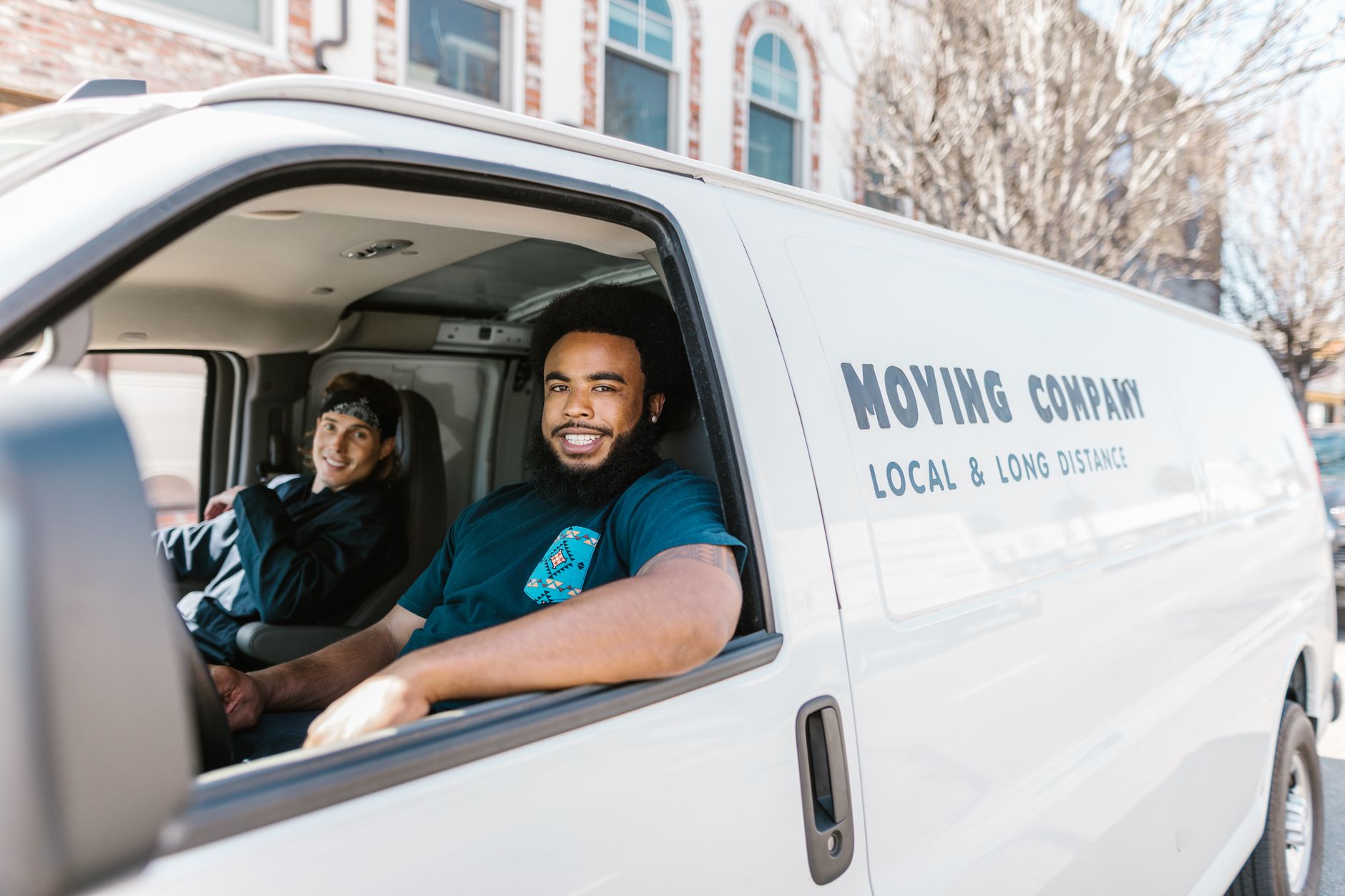
Local SEO for movers is the set of fixes that help your business rank in Google's map pack and local organic results for searches tied to a place. That includes your Google Business Profile, your website's location and service pages, your citations on directories, and the reviews customers leave. Movers depend on this more than most businesses because almost every lead starts with a location-based search.
Why It Matters More for Movers Than Most Services
A moving company rarely serves one town. You might operate out of one warehouse but cover twenty zip codes. That spread means local SEO for movers has to work at two levels: one strong Google Business Profile for your base location, plus website pages that earn trust for every area you actually move people into.
Step-by-Step: Fixing Local SEO Inside Your Website
You don't need a developer for most of this. Work through these steps in order.
1. Lock Down Your Google Business Profile
Sign in to your Google Business Profile, confirm your category is set to "Moving company," add your service area list, upload real photos of your trucks and crew, and fill in your hours. Leave nothing blank, an incomplete profile is the single most common reason a mover doesn't show up in the map pack.
2. Match Your NAP Everywhere
Your name, address and phone number need to be identical on your website footer, your Google Business Profile, and every directory listing you appear on (Yelp, Angi, the Better Business Bureau). Even a swapped abbreviation, like "St." versus "Street," can weaken the signal Google uses to confirm you're a real, consistent business.
3. Build Real Location Pages
In your CMS, create a dedicated page for each city or county you serve. Each page needs its own content: neighborhoods you cover, typical move types in that area (apartment turnovers, office relocations), and a local phone number if you have one. Avoid publishing ten pages that only differ by city name, Google treats that as thin, templated content.
4. Add Structured Data
Add LocalBusiness or MovingCompany schema markup to your homepage and location pages, following the vocabulary defined at Schema.org, so Google can parse your address, service area and reviews directly from the page code.
5. Collect and Respond to Reviews
Ask every completed job for a review, and reply to each one within a few days. Response pattern is one of the behavioral signals Google's own documentation on Search Essentials points to when it discusses building a trustworthy, well-maintained site.

When Your Website's Own Tools Are Enough, and When They Aren't

Fixing local SEO for movers yourself is realistic for a single location with a handful of service pages. It gets harder once you're managing multiple branches, dozens of zip codes, or a backlog of citation errors across directories you don't control.
| Situation | Website's built-in tools | When you need more |
|---|---|---|
| One office, one service area | Fine, update GBP and one location page yourself | Rarely |
| 5-10 service area pages | Manageable with a content calendar | Helpful once pages start competing with each other |
| Multiple branches/franchises | Time-consuming to track manually | A rank grid or dashboard pays off fast |
| NAP inconsistent across 10+ directories | Hard to audit by hand | Worth an automated citation check |
| Reviews slipping, no one tracking response time | Doable with a spreadsheet | Useful to automate alerts |
If you're a one-truck operation answering your own phone, a few focused afternoons on the steps above will move the needle. If you're running three branches and can't tell which city page is actually ranking, that's the point where a dedicated local SEO tool earns its keep.
Common Mistakes Movers Make
- Copy-pasted location pages. Swapping only the city name is the fastest way to get those pages ignored or filtered by Google.
- Mismatched phone numbers. A tracking number on your site that doesn't match your Google Business Profile confuses the matching signal.
- Ignoring negative reviews. Silence reads worse than a calm, professional reply.
- No reviews since the business started growing. A profile with ten reviews and a competitor with 200 isn't a fair fight.
- Forgetting mobile. Most "movers near me" searches happen on a phone, a slow location page loses the click before it loads.
For a sense of how another local service category tackles the same structure, the approach in SEO for Cleaning Companies follows a near-identical sequence: profile first, pages second, reviews third.
FAQs
How long does local SEO take to work for a moving company?
Most movers see initial movement in Google Business Profile visibility within four to eight weeks of fixing their listing and NAP consistency. Ranking for competitive terms in a crowded metro can take several months of consistent reviews and content.
Do I need a website for local SEO, or is Google Business Profile enough?
Google Business Profile alone can generate calls, but it can't carry service-area pages, schema markup, or the depth of content that supports long-term rankings. Movers that only rely on GBP tend to plateau.
Should I create a separate page for every city I serve?
Yes, but only if each page has distinct, useful content, local landmarks, specific service details, or pricing notes relevant to that area. A list of city names with no real detail behind them won't rank.
Does local SEO for movers differ from local SEO for other trades?
The mechanics are the same, but the content differs. HVAC and moving searches, for example, carry different urgency and seasonality, the piece on Local SEO for HVAC shows how that plays out for a service with emergency-driven demand.
What's the fastest fix if I only have an hour this week?
Spend it filling in every blank field on your Google Business Profile and correcting any mismatched address or phone number across your top three directory listings.
Put Your Local Rankings to the Test
Pick one city page or your Google Business Profile, fix the gaps above, and check it again in a few weeks. If you want to see exactly where your local SEO for movers stands right now, which pages are thin, which citations don't match, which competitors outrank you, talk to the team and request a sample SEO report.
Resources / References
Sources
About the author
SearchBlueprint researched, wrote and scored this article with the content pipeline our customers run on their own sites. The score in the byline is what our content engine gave this page before it published. Nothing here is reviewed by hand, which is the point: it is the product's output, published where anyone can check it.