SEO for Moving Companies: Rank Above the Franchises
By Toy Wen Da, Co-Founder · · 10 min read · scored 93/100
SEO for moving companies is the work of making your website and Google Business Profile show up in local search results. That means ranking when someone searches "movers near me" or "moving company" plus their city. It combines local listing optimization, service and location pages, reviews, and link building. Done well, it produces booked jobs every month without a per-click ad bill.

About 880 people search the phrase "seo for moving companies" every month in the US, and the term is rated low difficulty. That tells you plenty of moving company owners are looking for a plan, not just a vendor to call. This guide gives you that plan.
What SEO for Moving Companies Actually Involves
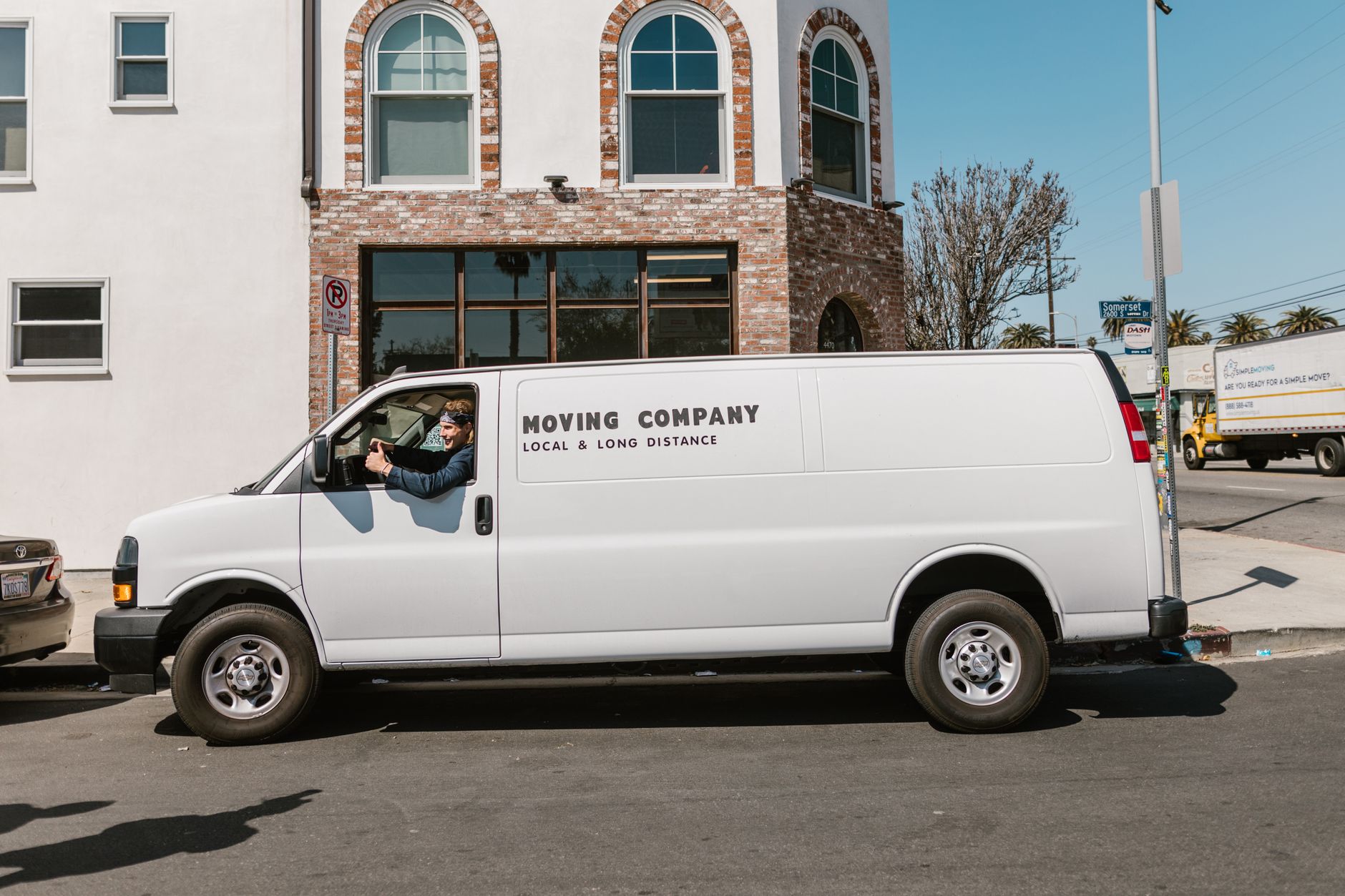
SEO for moving companies breaks into three connected layers. These are your Google Business Profile and local signals, your website's pages and technical health, and the links and mentions building authority. Skip one and the other two work harder for less.
Local Signals
This is your Google Business Profile, your reviews, and your map pack position. For a mover, it's usually where the first phone call comes from.
Website Pages
This is the service pages, city pages, and cost or checklist content that convince a visitor you're the right crew. It also gives Google reasons to rank you for dozens of related searches.
Authority and Links
This is other sites, news outlets, directories, real estate sites, industry associations, vouching for your business with a link. Authority is what separates a mover stuck on page two from one that owns the top of page one.
A serious moving company marketing strategy in 2026 usually works all three layers together, alongside paid ads for immediate volume. The difference is that ads buy attention once per click. A well-built service page keeps producing calls months after you stopped paying anyone to write it.
Why Moving Companies Can't Afford to Skip This

Search results for "movers" or "moving company near me" in most metros put the Google Local Map Pack above every organic listing. That block shows star ratings, phone numbers, and distance, and it absorbs attention before a searcher scrolls to a traditional website listing.
The split between paid ads and SEO for moving companies comes down to how long the result lasts and who owns it.
| Factor | Paid Ads | SEO for Moving Companies |
|---|---|---|
| Time to first lead | Same day, once the campaign is live | Typically 4-7 months to see meaningful movement |
| Cost per lead over time | Stays roughly flat or rises as competition bids up | Falls as pages mature and compound |
| What happens if you stop | Traffic stops the same day | Ranked pages keep producing calls |
| Best use | Filling gaps, testing new service areas fast | Building a durable lead channel you own |
Most movers that scale past one location run both. They treat ads as a tap they turn on and off, and organic SEO as a well they keep digging.
Local SEO Foundations: Where Most Moving Leads Start
Your Google Business Profile is the first thing most searchers see, before they ever click through to your website. Getting it right matters more for a mover than almost any other local trade. The map pack sits above organic results and takes the lion's share of clicks.
Google Business Profile Setup
Set your primary category to Mover, and list every service you actually run: local moves, long-distance, packing, storage, commercial relocations. Also upload real photos of your crews and trucks. Stock imagery and a thin profile both hurt you in a category this competitive.
Reviews: The Signal That Decides Rankings
Reviews aren't a nice-to-have for a mover; they're close to the whole game. About 93% of consumers say online reviews shape their purchasing decisions, and nearly every shopper reads reviews before booking a local service. Separate survey data puts the figure even higher: 97% of people read reviews for local businesses. Also, 41% say they check reviews every single time they compare options.
Build review generation into your actual move-day process, a text after the job, not a forgotten follow-up email a week later. Respond to every review, good or bad; that response is itself a signal to both customers and Google.
One more shift worth planning for: an estimated 45% of consumers use ChatGPT or a similar AI tool to find local businesses. Your presence on curated "best movers in [city]" roundups is reportedly the strongest factor in whether an AI assistant recommends you. That makes earning a spot on third-party lists double duty, referral traffic now, AI visibility later.

Service Pages and City Pages: Your Website's Real Engine

A homepage that mentions every service in a bullet list won't outrank a competitor with a dedicated page for each one. Someone searching "piano movers" wants a page about moving pianos, not a paragraph buried on your homepage.
Service Pages That Convert
Each core service, local moving, long-distance, packing, storage, commercial, deserves its own page. A strong service page for a moving company includes:
- A title naming the service and the city
- Content that answers what's included and how pricing works
- Trust signals near the top: USDOT number, years in business, review count, photos of real crew
- One clear call to action, a quote form or click-to-call number
City Pages That Capture the "Where"
If you serve twelve towns from one warehouse, a page per town lets you rank for searches you'd otherwise never appear in. Service pages win the "what." City pages win the "where." A mover that wants to grow needs both working together. Sensible internal links should connect them, so visitors, and Google, can move between what you offer and where you offer it.
If your site is built on a specific platform, the settings that matter differ by CMS. These platform-by-platform SEO guides walk through what to change first. And if your developer ships the site through commits rather than a traditional CMS, the mechanics of getting pages indexed work differently. See this breakdown of SEO for sites built and deployed through GitHub.
Technical SEO and Site Speed
Two technical items aren't optional in 2026: page speed and mobile usability. Most people planning a move search from a phone, often standing in the home they're about to pack up. Google's own documentation confirms that page experience signals, including Core Web Vitals, feed into its ranking systems. See web.dev's Core Web Vitals guidance for the thresholds Google actually measures against. You don't need to memorize every metric. Running your site through a speed test, or loading it on your phone, tells you most of what you need to know. A slow page or a button that's hard to tap costs you both rankings and bookings.
Content That Catches Customers Before They're Ready to Book
Service and city pages capture people ready to hire today. Content marketing catches everyone upstream of that moment, and there are far more of them. The classic example: "how much does a moving company cost" gets searched roughly 1,700 times a month in the US. Dozens of close variations push the real number well higher. A genuinely useful cost guide with honest local ranges can pull in visitors who are weeks away from hiring someone.
Moving checklists, timelines, and "what movers won't move" articles work the same way. Comparison content, "how to choose a moving company," "hiring movers vs. renting a truck", catches searchers closer to a decision. It builds trust before the first call.
This pattern isn't unique to the moving industry. The same upstream-content logic applies to teams running SEO with limited headcount. This 5-hour weekly SEO plan for small marketing teams covers how to prioritize this content without a dedicated writer on staff. And it shows up in B2B contexts too, where buyers research long before they request a quote. See how that plays out in SEO for industrial companies trying to win RFQs before the first call.
Link Building and Authority for Movers
Links are how Google measures prominence beyond reviews. A link from a relevant source counts for more than a random link from an unrelated blog. Think your city's news site, a real estate agent's resources page, or the chamber of commerce.
Movers have more link opportunities than most owners realize. Community moves for charity often earn local press coverage. Property managers already refer clients and will frequently list a trusted mover on their site. Home-service directories and industry associations provide legitimate, relevant listings too. Third-party "best movers in [city]" roundups do double duty. They build authority the traditional way, and they're also what AI assistants increasingly lean on for recommendations.
One serious warning: buying bulk links from low-quality sites is the fastest way to trade a short-term bump for a lasting penalty. Google's spam policies spell out link schemes as a violation, and its spam systems have gotten good at spotting manipulated link patterns. Recovering from that costs far more time than building authority honestly would have.
How Much Does SEO for Moving Companies Cost, and How Long Does It Take?
Agency pricing for moving company SEO commonly starts around $1,500 a month. It depends on how competitive your market is and how much work, content, technical fixes, review outreach, you handle in-house.
Timelines follow a similar pattern across most agencies and case studies. A typical range is 4 to 7 months before you see significant improvement in rankings and traffic. Compounding benefits really show up around the one-year mark. Research from Ahrefs, which studied over a million pages, found only 1.74% of new pages reach Google's top ten in year one. The average page holding the number-one spot is about five years old. Anyone promising page-one rankings in 30 days is selling something other than SEO.
| Phase | Timeframe | What Happens |
|---|---|---|
| Foundation | Months 1-3 | Audit, technical fixes, Google Business Profile optimization, first service and city pages, review habit started |
| Early movement | Months 4-7 | Rankings begin shifting for lower-competition terms; organic traffic starts climbing |
| Compounding | Month 12+ | Service and city pages mature, link profile grows, rankings and lead volume compound |
If you're weighing hiring an agency, bringing someone in-house, or running this yourself, it helps to know what an SEO retainer buys. It also helps to know what to walk away from. This guide on what small businesses should pay for SEO services, and what to avoid breaks that down before you sign anything.
Can a Moving Company Do SEO In-House?
A smaller operation can handle the local SEO basics, Google Business Profile setup, review requests, service pages, without outside help. What's harder to sustain alone is the ongoing content calendar, technical monitoring, and link outreach. These keep rankings moving once competitors notice you're climbing. Most owners who start solo eventually bring in help for at least the content and technical side. They keep review generation and customer relationships in-house, where local knowledge matters most.
FAQs
How much does SEO cost for a moving company?
Agency pricing commonly starts around $1,500 a month, though cost varies with market competitiveness and how much work you handle yourself. A smaller operation can reduce that cost by managing reviews and basic Google Business Profile upkeep internally.
How long does it take to rank a moving company website?
Most movers see meaningful ranking and traffic improvement in 4 to 7 months. The strongest compounding gains show up around the one-year mark and beyond.
What's the difference between SEO and paid ads for movers?
Paid ads produce leads the day a campaign launches but stop the moment you stop paying. SEO for moving companies takes longer to build but keeps producing calls from pages you already own, without an ongoing per-click cost.
Does the Google Local Map Pack really matter that much for movers?
Yes, it can account for up to 60% of clicks on moving-related searches. The large majority of Google searches with local intent surface a map pack above the standard organic results.
Do I need separate pages for each city I serve?
Yes, if you want to rank for searches in each one. A single homepage mentioning multiple towns rarely ranks as well as a dedicated page per city. Pair that with dedicated service pages covering what you offer.
Get a Clear Picture of Where Your Site Stands
Start with what's actually holding your rankings back on SEO for moving companies rather than guessing. Talk to the team and request a sample SEO report to see exactly where your moving company's site and SEO stand today.
Resources / References
Sources
About the author
SearchBlueprint researched, wrote and scored this article with the content pipeline our customers run on their own sites. The score in the byline is what our content engine gave this page before it published. Nothing here is reviewed by hand, which is the point: it is the product's output, published where anyone can check it.