How to Maximize Organic Reach for Your Business (Beyond Social)
SearchBlueprint · · 13 min read · scored 92/100

How to maximize organic reach for your business in one line: weight your effort by conversion, not noise. Organic search first, one or two social platforms your buyers actually use second, and an owned email list to catch everyone the algorithms drop. Studies cited by Sprinklr put organic search at a 28.5% conversion rate, against 3.17% for paid.
That gap matters because the free social distribution most guides lean on keeps getting thinner. Socialinsider data shows Instagram's average reach rate fell 12% year over year, with a typical post now reaching roughly 3-4% of followers. Posting more into that funnel is not a strategy. Building reach across channels the platforms cannot throttle is.
What organic reach is, and the number that should reframe it
Organic reach is the number of unique people who see your content without you paying for placement. It includes your followers, the people they share your content with, and everyone the platforms choose to show it to through feeds, search results, and recommendation surfaces. It differs from impressions, which count every display, including repeat views by the same person.
For a business, organic reach spans more than social. A page ranking on Google, a listing in the local map results, and an answer quoted by an AI assistant are all organic reach, and often the more valuable kind. Search has its own reach metric too: a visibility score you can measure and grow deliberately, which tells you how much of your market's searching you currently capture.

Organic vs. paid: the honest comparison
Paid reach is not the enemy. It is a rental agreement, and it is worth knowing exactly what you are renting.
| Dimension | Organic reach | Paid reach | What it means for your business |
|---|---|---|---|
| Cost | Earned through content and relevance, with no per-click charge | Metered, and it stops the moment the budget stops | Organic compounds over time; paid rents attention month to month |
| Conversion | Organic search traffic converts at 28.5% in studies Sprinklr cites | Paid search converts at 3.17% in the same comparison | Ready-to-buy visitors disproportionately arrive through earned results |
| Speed | Slow to build, often weeks to months | Immediate | Use paid for launches and tests; use organic for baseline demand |
| Durability | A ranking or loyal audience keeps producing after the work is done | Visibility ends when spend ends | A budget cut does not erase organic assets |
| Trust | Readers treat earned rankings and shares as recommendations | Labeled ads carry built-in skepticism | Organic results do persuasion work that ads cannot |
Three metrics that actually define reach
Track three numbers per channel: unique reach (distinct people who saw you), impressions (total views including repeats), and engagement rate by reach (the share of people who saw your content and acted on it). The third one is the health check. High reach with near-zero engagement means the platform showed you to the wrong people, and it will show you to fewer of them next time.
Why organic reach keeps shrinking on social feeds
A drop in reach usually means the platform changed what it rewards, not that your audience left. Sprout Social's 2025 Content Benchmarks Report found brands saw a 20% year-over-year jump in average inbound engagements. People are still scrolling and still responding. They are simply more selective, and the algorithms filter harder on their behalf.
| Platform | The change | What the feed rewards now | Source |
|---|---|---|---|
| Personal content has outweighed branded posts since Mark Zuckerberg's 2018 pledge to promote meaningful interactions | Fresh short video and genuine conversation; Meta's October 2025 update surfaces about 50% more Reels from creators who published that day | Meta announcements | |
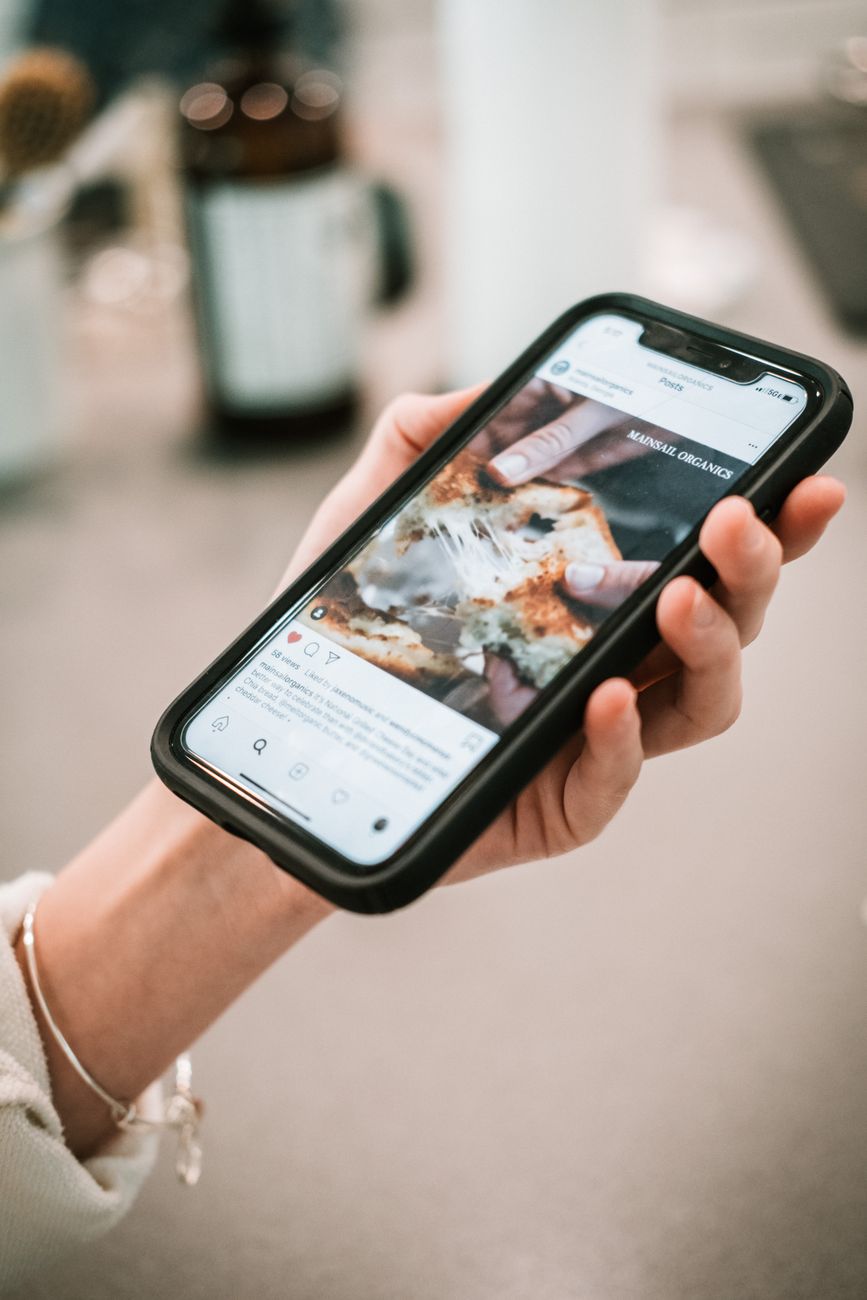
| Average reach rate down 12% year over year, with typical posts reaching roughly 3-4% of followers | Reels and short, shareable video over static images | Socialinsider | |
| The feed was reweighted toward professional value rather than raw popularity | Posts focused on sharing knowledge and insights that help members' careers | LinkedIn engineering blog, 2023 | |
| TikTok | The For You feed became a discovery and search surface, especially for Gen Z | Searchable content that answers what people actively look up | Sprout 2024 Social Content Strategy Report |
Facebook: recency and people first
Meta's own reporting makes the pattern explicit. Its refreshed recommendation engine now surfaces around 50% more Reels from creators who published that same day. Recency is a ranking signal you control completely: publishing fresh video regularly beats resurfacing old assets.
Instagram: video or not much
Static posts still have a place, but the 12% reach decline Socialinsider measured fell hardest on formats the platform is deprioritizing. If a typical post reaches 3-4% of your followers, a follower count is a ceiling, not a distribution plan.
LinkedIn: knowledge over noise
In a 2023 post on LinkedIn's engineering blog, the company said its feed updates give "more reach when the content is focused on sharing knowledge and insights." Engagement-bait and volume posting fade quickly there. A genuinely useful observation from someone at your company does not.
TikTok: the feed became a search bar
Sprout's 2024 Social Content Strategy Report ranks TikTok among Gen Z's top channels for discovering brands, products, and even news. That makes social content a search problem: the posts that keep earning reach are the ones that match what people type into the app.
Maximize organic reach where it converts: search
Every guide on how to maximize organic reach for your business focuses on social, and that is the gap worth exploiting. Search reach compounds, it is not throttled to a percentage of your followers, and it catches people at the moment they want to buy. The 28.5% versus 3.17% conversion comparison is the whole argument in one line: a visitor who searched for what you sell is a different animal from one who scrolled past you.

Measure your search baseline before touching anything
You cannot grow a number you have never seen. Start by checking where you actually stand for the terms your buyers use. There are several ways to track your Google rankings for free, and an afternoon spent on it usually surfaces two things: keywords where you sit on page two (the fastest wins available), and keywords you assumed you ranked for but do not.
Build content against the queries, not the calendar
Once you know the gaps, plan pages against them deliberately. An AI-powered content plan for SEO maps each target query to one page with one job, which prevents the classic self-inflicted wound of two of your own pages competing for the same term. One page per primary keyword, each covering its question fully, is how small sites out-reach bigger ones.
Win the answer engines, not just the rankings
Organic reach in 2026 includes being the source an AI assistant quotes. Google's AI Overviews, ChatGPT, and Perplexity all pull from pages that answer questions directly, in self-contained passages, with specifics worth citing. Front-load the answer, structure with clear headings, and state facts an engine can attribute. Vague pages do not get quoted; concrete ones do.
Local businesses: organic reach is a map, not a feed
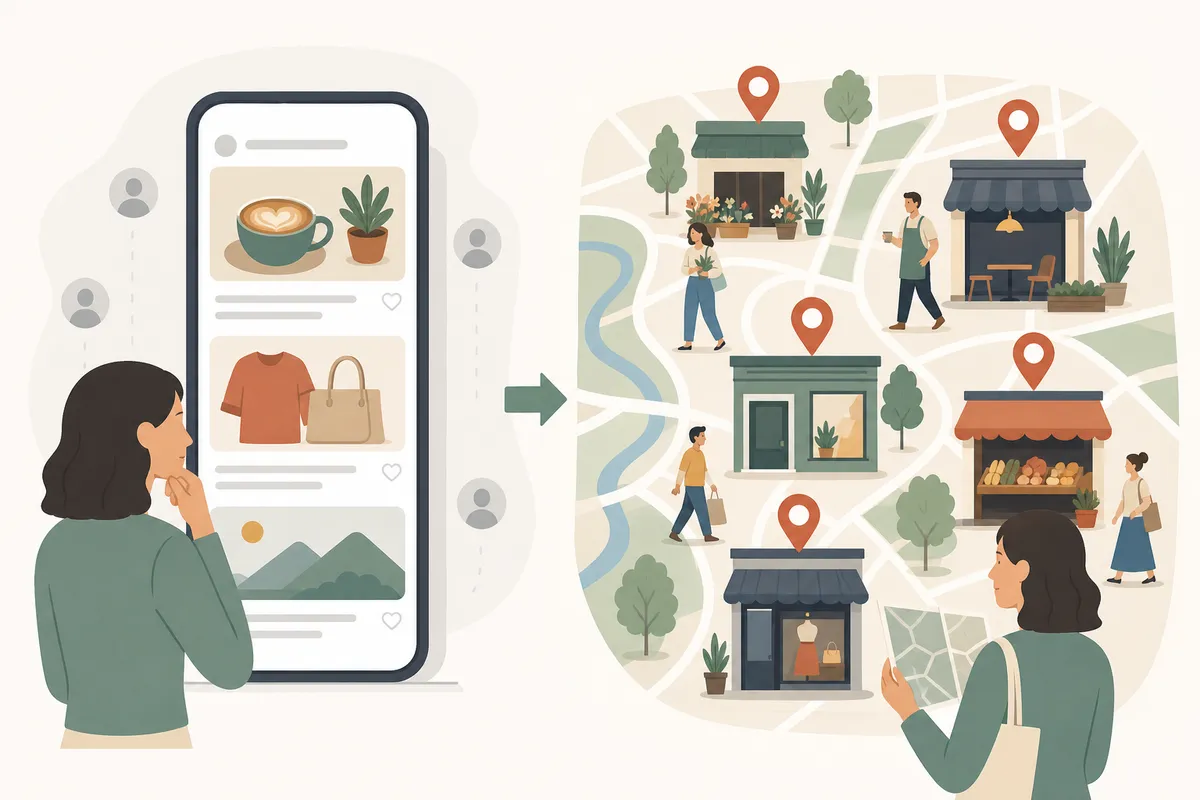
If you serve a physical area, your highest-value organic reach is the local pack, the map results, and "near me" searches. None of that runs through a social algorithm. A complete Google Business Profile, consistent name-address-phone details across the web, steady reviews, and genuinely local pages on your site decide who appears when someone nearby is ready to spend.
The mechanics differ by trade but the pattern holds. Trades businesses can see it in how electricians book more jobs from Google by ranking for emergency and service queries in their suburbs. Clinics see the same shape in how veterinarians win "vet near me" results, where the map pack drives calls that no Instagram post ever will. For a local business, an hour on your Business Profile routinely outperforms a week of feed content.
How to maximize organic reach on social without paying
Social still belongs in the mix. It builds familiarity, humanizes the business, and feeds discovery, especially for younger buyers. The point is to work it the way the 2026 algorithms actually pay out, which is narrower and more specific than "post consistently."
Match the format to the platform
Sprout's 2024 Social Media Content Strategy Report found ultra-short clips under 15 seconds tend to perform best on Instagram and X, while 15-60 seconds is the sweet spot on TikTok. On YouTube, longer videos that sustain watch time generally outperform ultra-short ones. Add Meta's same-day Reels boost, and the production brief writes itself: short, fresh, vertical video, published often.
| Platform | Format that earns reach | Length sweet spot | Why it works |
|---|---|---|---|
| Reels published fresh | Under 15 seconds | Short clips perform best per Sprout's 2024 data, and video is what the algorithm distributes | |
| Same-day Reels | Short, recently published | Meta's October 2025 update surfaces roughly 50% more Reels from creators who posted that day | |
| TikTok | Native vertical video answering a real search | 15-60 seconds | The sweet spot in Sprout's benchmark data, on a platform Gen Z treats as a search engine |
| X | Short native video and sharp text posts | Under 15 seconds for video | Ultra-short clips outperform on the platform per the same report |
| YouTube | In-depth video, with Shorts as a feeder | Longer, watch-time led | Videos that hold attention outperform ultra-short ones there |
Optimize posts for social search
Since people search inside the apps, treat captions, on-screen text, and alt text as ranking surfaces. Pull the questions from your comments and DMs, then answer them with the words customers use. A plumber posting "why your water heater knocks at night" will be found; the same video titled "Tuesday tips!" will not. Keep those phrases consistent with your website's target keywords so both surfaces reinforce each other.
Hashtags still help discovery when they describe the content. Instagram allows up to 30 per post, and smaller accounts often do better mixing lower-volume specific tags with a couple of large ones rather than stacking only tags that have millions of posts. Stories add a second discovery lane: they stay live for 24 hours, and a tagged location can put them in front of people who do not follow you.
Treat replies as distribution
Engagement is not customer service overhead. It is the signal feeds use to decide who else sees you, and it compounds at scale. Sprinklr reports a case where Heartland Dental, managing social presences across its 847 offices, centralized monitoring and replies: the outcome it cites is a 5:1 ROI, 780 hours saved annually, and $12,000 in cost reductions, while preserving $700,000 in patient revenue each year. You do not need 800 accounts to apply the lesson. Answer comments within the first hour, ask questions back, and the algorithm reads the conversation as relevance.
An often-cited platform figure says 80% of Instagram users follow at least one business. People will follow you. Whether the feed keeps showing them your posts depends on whether those posts start conversations.
Borrow an audience that trusts someone else
Collaboration is the fastest organic multiplier because it skips the cold start. Denny's showed the shape of it in 2022 with its Social Stars Influenced Menu, built with 24 TikTok creators; six of them helped develop recipes and put their names on the dishes. A local business can run the same play at small scale: a joint video with a complementary business, a guest spot on a local podcast, a co-hosted workshop. Their reach becomes your reach, with their credibility attached.
Turn borrowed reach into an audience you own
Every platform in this article can change its rules tomorrow, and several did last year. The businesses that ride out algorithm changes are the ones that convert rented reach into owned assets before the rules move.
Capture the click while you have it
Your bio link, video descriptions, and pinned posts should route people to one place: a page on your site where they can get something worth an email address. A checklist, a pricing guide, a template. From that point on you can reach them for the cost of a send, at 100% deliverability to the inbox rather than 3-4% of a feed.
Publish on a system, not a mood
Consistency is what separates channels that compound from channels that flicker. The practical fix is planning a quarter at a time: an automated content plan for a small business turns "we should post more" into a dated queue of topics with a target query attached to each. And when the machine starts working, the constraint becomes quality control, which is why it pays to learn how to scale content production without losing rank before volume tempts you into thin pages that drag the whole domain down.
Measure organic reach like a channel, not a scoreboard
Review reach monthly, per channel, with three questions: how many unique people saw us, what share of them engaged, and what did they do next. Kill formats that fail on the second question for a full quarter. Double down on the ones the platforms are actively amplifying, because algorithm tailwinds are free.
Set expectations by channel honestly. Social feedback arrives in days; search compounds slower but holds. A realistic window for meaningful movement is a 90-day plan for improving your Google ranking, reviewed against your baseline rather than against a competitor's highlight reel.
Most of this is genuinely doable in-house: format changes, reply discipline, profile completeness, and a content calendar need commitment more than expertise. Bring in help when the technical layer blocks you (site health, structured data, a migration) or when you need volume you cannot staff. If you go that route, run seven checks before you sign with an SEO agency, because a bad agency costs you a year, not just a retainer.
FAQs
What is organic reach for a business?
Organic reach is the number of unique people who see your business's content without paid promotion. It covers social feeds, shares, and recommendation surfaces, plus organic search results, local map listings, and AI-generated answers that cite your pages.
Is organic reach better than paid reach?
Organic reach converts better and lasts longer, while paid reach is faster. Studies cited by Sprinklr put organic search traffic at a 28.5% conversion rate against 3.17% for paid search. Most businesses do best using paid for speed and organic for durable baseline demand.
Why is my organic reach dropping even though I post every day?
Feeds now reward relevance over volume. Socialinsider data shows a typical Instagram post reaches roughly 3-4% of followers, and Facebook has prioritized personal content since 2018. More posts in a deprioritized format reach fewer people, not more. Shift toward short fresh video and posts that start conversations.
What content gets the most organic reach in 2026?
Short vertical video published fresh, and content that matches what people search. Clips under 15 seconds perform best on Instagram and X, 15-60 seconds on TikTok, per Sprout's benchmark data, and Meta surfaces about 50% more Reels from creators who published that day. In search, pages that answer one query directly and completely earn both rankings and AI citations.
How long does it take to grow organic reach through SEO?
Expect early movement on low-competition and page-two keywords within about 90 days, with competitive terms taking longer. Search reach builds slower than social but compounds: a page that ranks keeps reaching buyers without any further posting.
Get a baseline before you spend a quarter on this
Pick your two highest-intent channels this week, record their real numbers, and set a 90-day target for each; that baseline is what turns "how to maximize organic reach for your business" from a search phrase into a plan you can grade. Talk to the team about where your gaps are, and look through a sample SEO report first to see exactly what a proper baseline covers before you commit the quarter.
Resources / References
Sources
About the author
SearchBlueprint researched, wrote and scored this article with the content pipeline our customers run on their own sites. The score in the byline is what our content engine gave this page before it published. Nothing here is reviewed by hand, which is the point: it is the product's output, published where anyone can check it.