Gemini SEO: How to Get Your Business Named in AI Answers
By Toy Wen Da, Co-Founder · Updated · 6 min read · scored 98/100
Gemini SEO means structuring your site, content and trust signals so that Google's Gemini names your business when someone asks for a recommendation. There is no separate algorithm to game here. It is an extension of solid SEO, tuned for how a generative model picks sources instead of how a ranking algorithm sorts links.
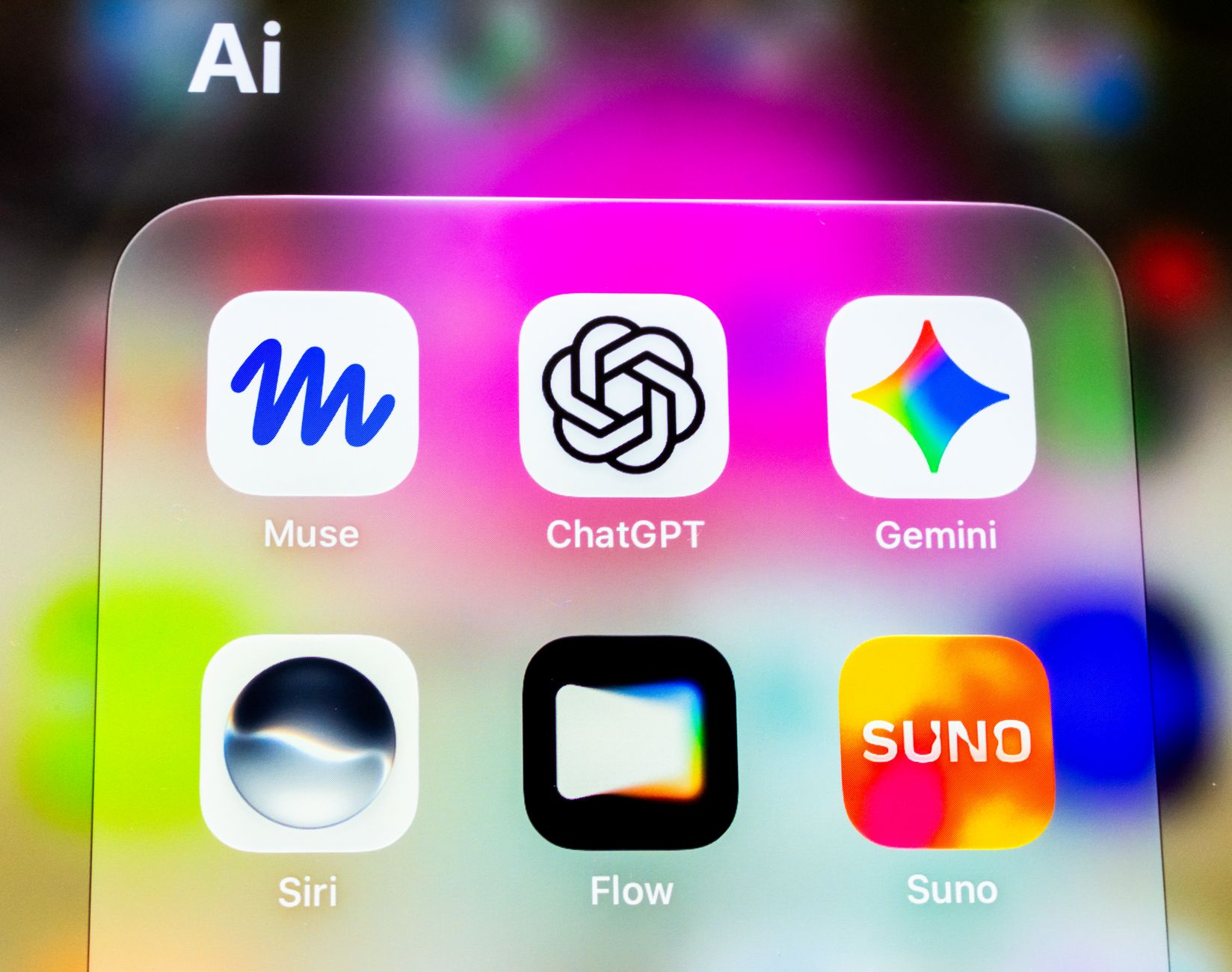
How Gemini decides who to cite

Gemini doesn't crawl the web independently the way a search engine does. It draws heavily on Google's existing index, so if your pages aren't indexed cleanly, you're invisible before the AI layer even gets involved. On top of that index, Gemini synthesizes an answer and pulls supporting fragments from pages it judges trustworthy and specific.
That judgment leans on a few things:
- Crawlability. If your robots.txt or server setup blocks crawlers, you're excluded automatically.
- Clarity. Sentences that state a fact directly outperform ones full of qualifiers.
- Freshness. Pages updated recently signal that the information is still accurate.
- Corroboration. Mentions of your brand across review sites, forums and other pages build confidence that your claims are real.
Why technical health still comes first
A beautifully written page that Google can't crawl or index properly will never reach Gemini, so before spending time on phrasing, confirm that your sitemap, canonical tags and page speed are in order. A technical SEO audit catches the crawl errors and indexing gaps that quietly keep otherwise strong content out of the pipeline Gemini draws from.
Writing content Gemini can actually use

Generative engines extract fragments of a page rather than the whole article, and that changes how you should write.
Weak: "There are a few things that might help your visibility over time."
Strong: "Publishing an updated, fact-based page every one to two months increases the odds of being cited in AI answers, because freshness is a trust signal."
The second version gives Gemini a clean, quotable claim it can lift. Aim for that pattern throughout your content by stating the fact first and explaining it afterward.
Structure that gets extracted
Short sections with descriptive headings outperform long, undivided blocks of text. Use tables for comparisons and bullet lists for steps, and put the direct answer to a question in the first sentence after the heading. Traditional featured snippets reward the same habit, so the work pays off twice.
Gemini SEO vs. traditional SEO vs. GEO

| Approach | Primary Goal | What It Optimizes | Where It Shows Up |
|---|---|---|---|
| Traditional SEO | Rank in blue links | Keywords, backlinks, page structure | Google's standard results page |
| Gemini SEO | Get named in AI answers | Clarity, entity consistency, freshness | Gemini's generated responses |
| Local SEO | Rank for "near me" searches | Location pages, business listings | Map pack and local results |
| General GEO | Get cited across any AI engine | Structured, declarative, extractable content | ChatGPT, Perplexity, Gemini, AI Overviews |
These approaches overlap more than they compete. A page built for local SEO still benefits from the clarity and freshness signals Gemini rewards, and if you serve specific service areas, a dedicated local SEO setup with location pages, consistent business details and local proof points feeds both the map pack and Gemini's local recommendations.
The indexing trap content creators run into
One pattern shows up often with AI-assisted content. A page gets published and crawled quickly, then sits in "Crawled, currently not indexed" instead of going live. That status means Google saw the page but chose not to add it, usually because the content reads as too similar to what's already out there.
If this happens to you, the fix is straightforward:
- Rewrite a meaningful portion of the content; treat anything under roughly half original phrasing as a red flag.
- Update the meta title and description.
- Add new, specific paragraphs rather than padding existing ones.
- Resubmit the URL in Search Console.
The lesson applies directly to Gemini SEO. Thin or derivative content doesn't just fail to rank; it may never reach the index Gemini draws from in the first place.
Signals that build AI trust over time
Gemini weighs more than any single page. It looks at the pattern around your brand:
- A named author with real credentials, linked to an active profile.
- Consistent facts about your business across your site and third-party listings.
- Schema markup that describes your organization, products or services unambiguously.
- A track record of accurate, unretracted claims.
None of these happen from one blog post. They build from a consistent publishing habit paired with clean technical foundations, and a sample SEO report is built to show where your indexing, structure and content gaps currently stand.
Measuring whether it's working
Traditional rank trackers won't show you whether Gemini cited you, because a conversational answer has no ranking position. Instead, watch these:
- Referral traffic tagged from AI assistants in your analytics.
- Direct and branded search upticks after a citation event.
- Manual spot-checks: ask Gemini the questions your customers would ask and see who it names.
According to Google Search Central, structured, well-marked-up content remains foundational to how Google's systems, including its AI features, understand and surface a page. None of this replaces indexing and markup basics.
FAQs
Is Gemini SEO different from regular SEO?
Not fundamentally. It uses the same foundation of indexing, structured data and page speed, but it prioritizes clear, declarative writing and corroborated facts, since those are what a generative model extracts and trusts.
Can I pay to get cited by Gemini?
No. There's no ad product for AI citations. You earn them by being the clearest, most verifiable source Gemini finds for a given question.
Does AI-generated content hurt Gemini SEO?
It can, if it's shallow or too close to existing content on the web. Google has flagged pages as "crawled, currently not indexed" when content reads as derivative, regardless of whether a human or AI wrote it.
How long does it take to see Gemini citations?
There's no fixed timeline. It depends on how quickly your pages get indexed, how much corroborating information exists about your brand elsewhere, and how specific your content is.
Do I need schema markup for Gemini SEO?
It's not strictly required. But structured data makes your facts easier for any machine reader, including Gemini, to parse with confidence, so it's worth prioritizing.
Start with what's actually blocking you
Before writing another page aimed at Gemini SEO, find out whether your existing content is even eligible to be cited. That means checking indexing status, structured data and page speed first. Talk to the team to get a clear picture of where your site stands today.
Resources / References
Sources
About the author
SearchBlueprint researched, wrote and scored this article with the content pipeline our customers run on their own sites. The score in the byline is what our content engine gave this page before it published. Nothing here is reviewed by hand, which is the point: it is the product's output, published where anyone can check it.