Multi-Platform SEO for Marketers: A Playbook Beyond Google
SearchBlueprint · · 5 min read · scored 92/100
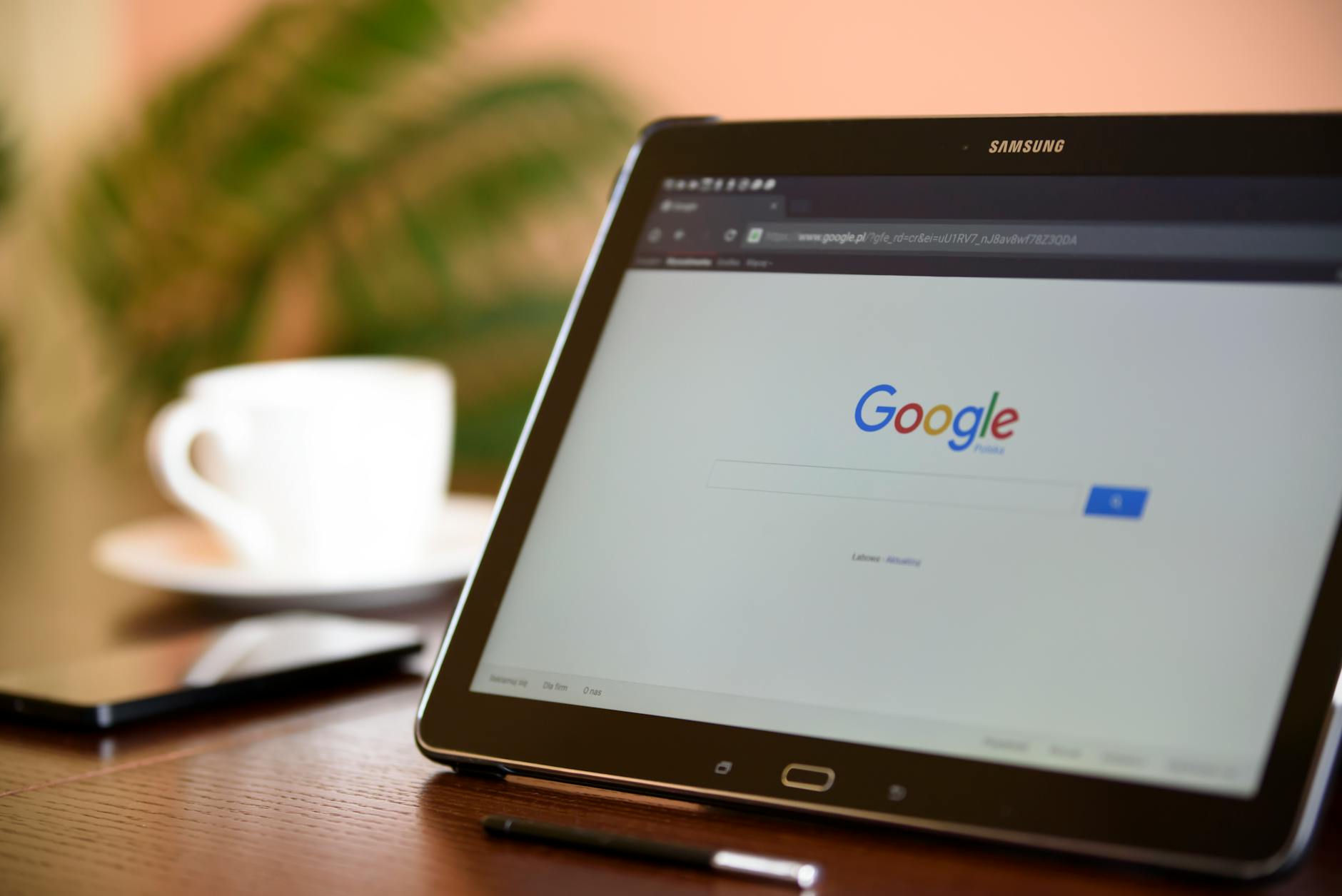
Multi-platform SEO for marketers means optimizing your brand's visibility everywhere your audience searches, Google, YouTube, TikTok, Amazon, Reddit, and AI answer engines like ChatGPT, instead of treating Google rankings as the only goal. The winning move is one topic strategy, adapted per platform, measured as a single system. This guide explains why search fragmented, how each platform ranks content, and how to build one program that covers them all.
Key Takeaways
- Google still holds over 85% of traditional search share, but it's no longer where every journey starts or ends.
- Surveys have found roughly 74% of Gen Z use TikTok as a search engine, and industry analysis puts Amazon at over 50% of US product-intent searches.
- Each platform ranks content differently: links and relevance on Google, engagement on TikTok, conversion data on Amazon, citations and entity clarity for AI engines.
- You don't need six content teams. About 94% of marketers already repurpose content across platforms, the skill is adapting it, not duplicating it.
- Measure the system with one attribution model, or you'll double-count the same customer three times.
Why Search Fragmented, and Why It's Your Problem Now
Roughly 68% of online experiences still begin with a search engine, and organic search drives over 53% of all website traffic. So Google is not dying. What changed is where journeys start and where trust lives.
Younger audiences search TikTok and Instagram for restaurants, products, and how-tos. Product research increasingly begins on Amazon rather than a search engine. B2B buyers ask ChatGPT or Perplexity for shortlists, and those tools often answer without sending a click. Zero-click behavior means your brand needs to be visible inside the answer, not just linked below it.
There's also a compounding effect. Search engines and AI systems evaluate your whole footprint, site content, reviews, video, social presence, third-party mentions. In one industry survey, 91% of marketers said SEO improves their goals when it runs across multiple channels. A consistent presence on five surfaces strengthens each one.
How Different Platforms Rank Content
This is the part most marketers get wrong: they post the same asset everywhere and wonder why it only works in one place. Each surface has its own ranking logic, so each needs its own optimization layer.
| Platform | What it rewards | Your optimization lever | Primary metric |
|---|---|---|---|
| Google / Bing | Relevance, links, page experience, E-E-A-T | On-page SEO, internal linking, structured data | Rankings and organic sessions |
| YouTube | Watch time and click-through rate | Keyword-led titles, chapters, retention-focused intros | Views from search, watch time |
| TikTok / Instagram | Engagement velocity and completion rate | Spoken and on-screen keywords, captions, hashtags | Search-driven views, saves |
| Amazon / marketplaces | Conversion rate and sales history | Title and bullet keywords, images, review volume | Search rank, conversion rate |
| AI engines (ChatGPT, Perplexity) | Cited, factual, well-structured sources | Quotable self-contained passages, entity consistency, third-party mentions | Brand citations in AI answers |
| Google Maps / local | Proximity, prominence, reviews | Business profile, categories, review responses | Map pack visibility, calls |
For Google specifically, structured data helps search systems understand and represent your content, Google's own documentation at Google Search Central covers which markup types earn enhanced results. That same clarity of structure is what makes content easy for AI engines to lift and cite. The Amazon factors above come straight from the company's own Seller Central listing optimization guidelines, and Google documents proximity, prominence, and relevance as the levers of local ranking in its official Business Profile help center.
Building a Multi-Platform SEO Program, Step by Step

1. Map where your buyers actually search
Don't cover six platforms because a list told you to. A B2B SaaS brand probably needs Google, LinkedIn, YouTube, and AI engines. A DTC skincare brand needs TikTok, Amazon, and Google. If your site runs on a specific CMS or storefront, tailor the technical work to it, this breakdown of SEO by platform and CMS shows how the on-site foundation differs by stack.
2. Build one topic cluster, then adapt the format
Pick a core topic, go deep on your site with a pillar page and supporting articles, then translate, not copy, the material into a YouTube tutorial, short-form clips, and a community answer. The message stays consistent; the format and hook change per platform.
3. Decide what AI writes and what humans write
Volume across platforms is where budgets break. Use AI drafting for scaled, structured pieces and reserve human effort for opinion, experience, and anything a citation depends on. There's a practical framework in this guide to when AI content works and when it doesn't.
4. Build authority signals AI systems can see
AI engines favor brands that traditional search already trusts: strong backlink profiles, consistent entity information, reviews, and mentions on authoritative third-party sites. Digital PR now serves your Google rankings and your ChatGPT citations at once.
Measuring Impact Without Double-Counting
Multi-platform wins get claimed twice, once by social, once by SEO. Avoid that by tracking three layers separately: platform-native visibility (rankings, search-driven views, AI citations), referred traffic (sessions by source in analytics), and branded search volume as the tide-level indicator. If branded searches rise while TikTok views climb, the ecosystem is working even when last-click attribution says otherwise.
FAQs
Is Google SEO still worth prioritizing?
Yes. Google holds over 85% of traditional search share and organic search drives more than half of website traffic. Multi-platform work extends Google SEO; it doesn't replace it.
Which platform should a small team add first?
The one your buyers already use for your category: YouTube for tutorials and considered purchases, TikTok for consumer discovery, Amazon if you sell there, AI engines if you're B2B.
How is optimizing for AI engines different from Google SEO?
AI engines reward clear, factual, self-contained passages, consistent brand entities, and third-party citations. Good structure matters more; link-chasing alone matters less.
Do I need new content for every platform?
No. Around 94% of marketers repurpose content across platforms. Adapt the format, hook, and keywords to each surface rather than creating from scratch.
How long before multi-platform SEO shows results?
Social search surfaces can move within weeks; Google and AI citations typically take months. Track platform-native metrics early and revenue impact quarterly.
Audit Your Starting Point This Week
Before adding platforms, know exactly where your core site stands, weak on-page fundamentals undermine every other surface. Run a baseline audit, pick your two highest-intent platforms, and build the first topic cluster this month, that's multi-platform SEO for marketers put into practice, not just studied. To see what a clear baseline looks like, review a sample SEO report and talk to the team.
Resources / References
Sources
- Importance of Multi-Platform SEO Strategy
- Multi-platform SEO: What is it and where did it come from?
- Multi-Platform SEO Services | Win Search Beyond Google
- Multi-Platform Search is the Future of SEO: How to...
- Why Multi-Platform Presence Matters More Than Ever in SEO
Disclaimer: This article is general information about rules and figures that applied when it was written, not personalised financial, tax or investment advice. It does not take account of your income, obligations, risk tolerance or goals, and rates and thresholds change. Verify the current position with the relevant authority, and speak to a licensed adviser or a qualified accountant before acting.
About the author
SearchBlueprint researched, wrote and scored this article with the content pipeline our customers run on their own sites. The score in the byline is what our content engine gave this page before it published. Nothing here is reviewed by hand, which is the point: it is the product's output, published where anyone can check it.